






































Smart Lighting That Feels Natural — Designing Adaptive Spaces for Modern Buildings
Modern buildings demand more from lighting than basic illumination. Whether in hotels, offices, or retail environments, lighting needs to adapt to different activities, create comfortable visual experiences, and support energy efficiency.
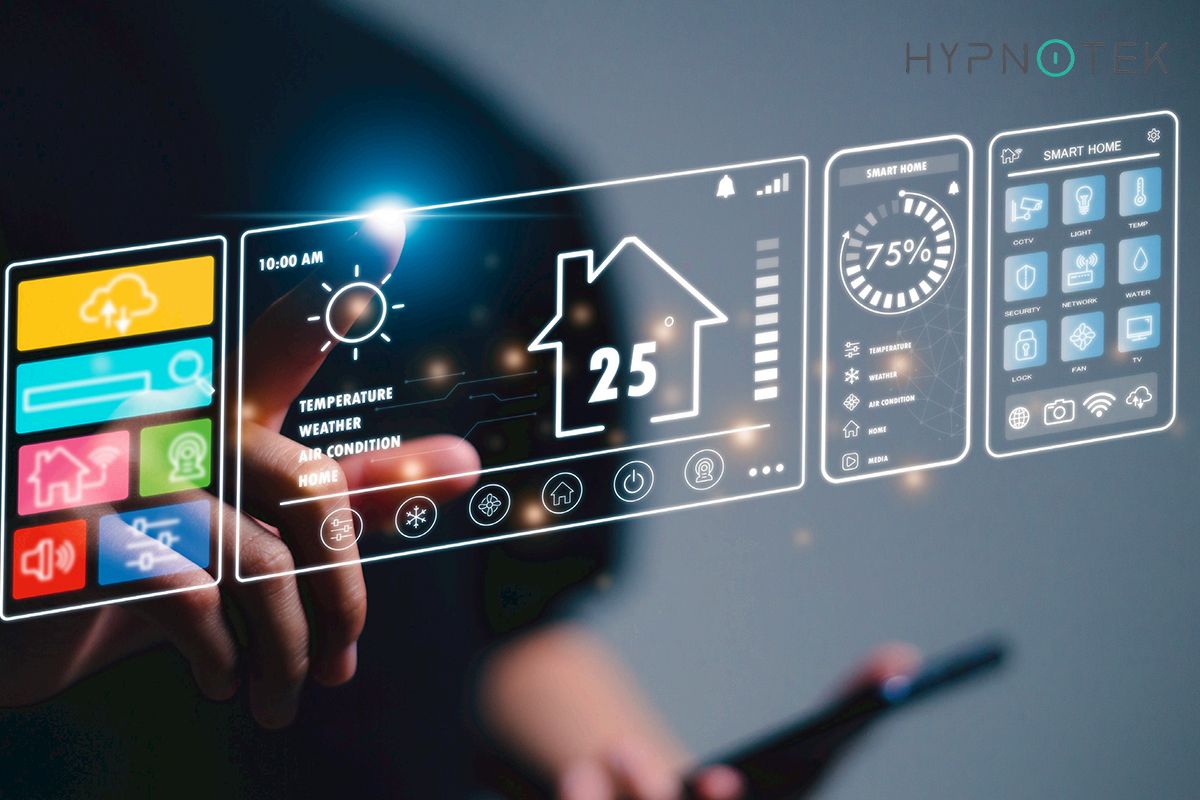
As smart lighting technology evolves, lighting systems are moving beyond simple remote switching towards dimming, scene control, adjustable colour temperature, and daylight integration. The goal is not simply to add more technology, but to make lighting respond naturally to people and their surroundings.
At ILLUS Lighting, we combine intelligent lighting controls with professional lighting design, offering flexible solutions for hospitality, commercial, retail, and residential applications.
1. From Static Lighting to Adaptive Lighting
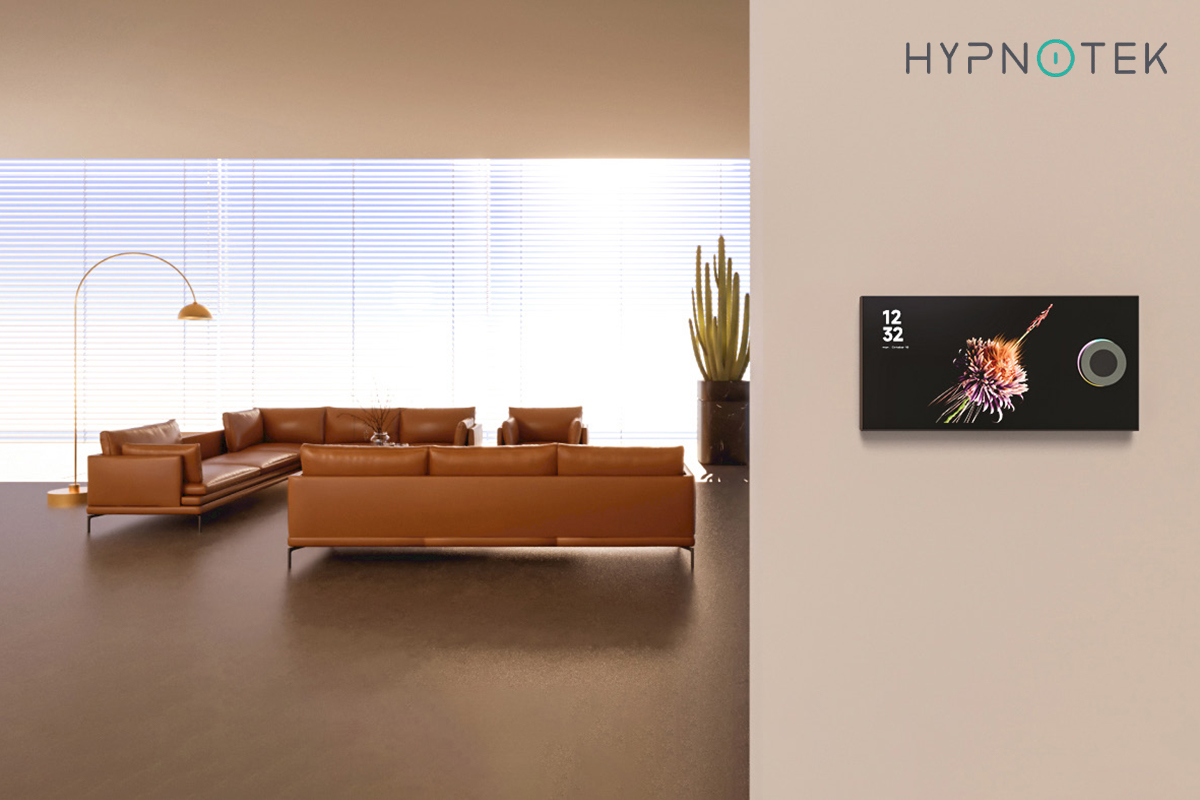
Traditional lighting systems often rely on fixed brightness and operating modes, making it difficult to accommodate the changing needs of modern spaces.
For example, hotel rooms require different lighting settings for reading, working, and relaxation. Meeting rooms need to adapt to presentations and discussions, while retail spaces must balance general illumination with focused lighting to highlight products.
Smart lighting introduces greater flexibility through dimming, scene control, and independent lighting zones. A single space can support multiple activities without requiring separate lighting installations.
For this reason, luminaire selection, lighting layouts, and control strategies should be considered together from the early stages of project planning.
2. Human-Centric Lighting: Enhancing Visual Comfort
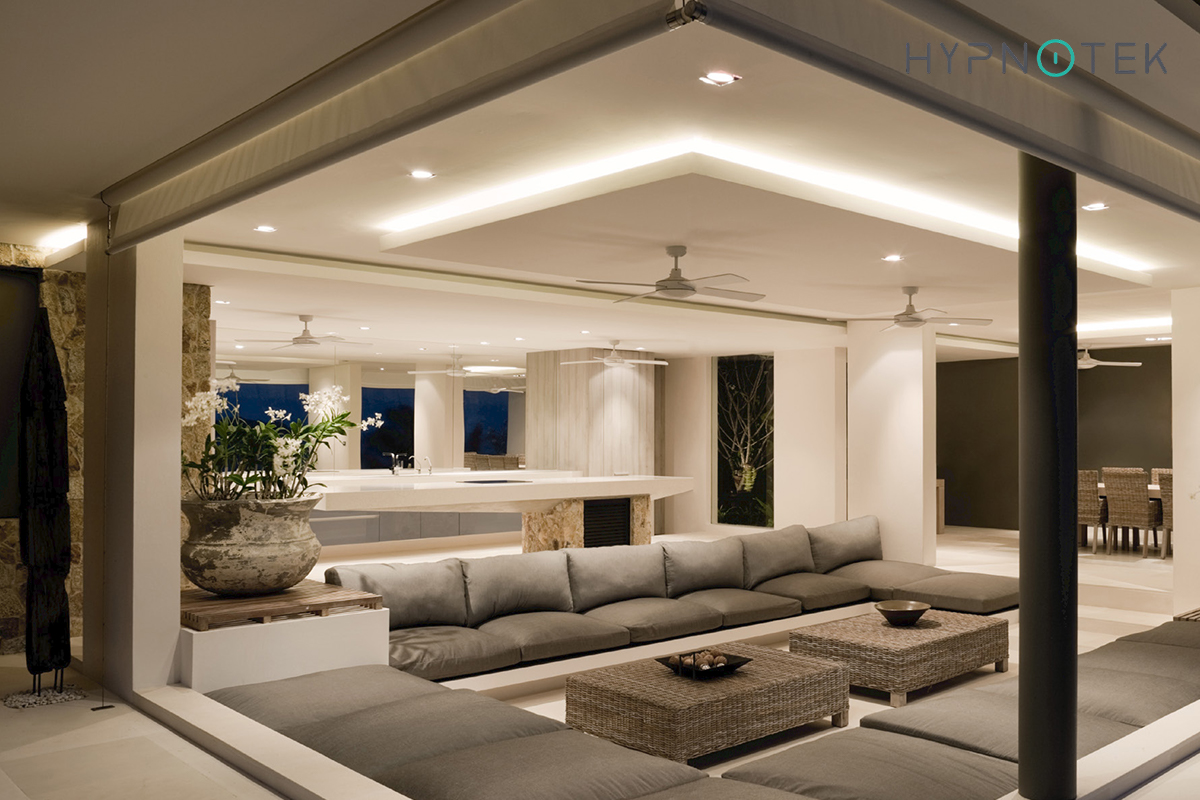
Lighting influences how people experience and interact with indoor environments. Brightness, colour temperature, colour rendering, and glare control all contribute to visual comfort.
Human-centric lighting focuses on adapting lighting conditions to different activities and spatial requirements.
For example, adjustable colour temperature can help create relaxing atmospheres in hotel rooms, while appropriate brightness and colour settings support different working activities in offices. In residential spaces, flexible lighting scenes allow occupants to personalise their everyday environment.
However, effective lighting design involves more than colour temperature adjustment. Proper light distribution, glare control, and suitable illumination levels remain essential. Smart controls should complement professional lighting design to achieve better results.
3. Intelligent Controls: Making Lighting Simple and Flexible
Modern smart lighting is not only about advanced functionality. Ease of operation and system reliability are equally important.
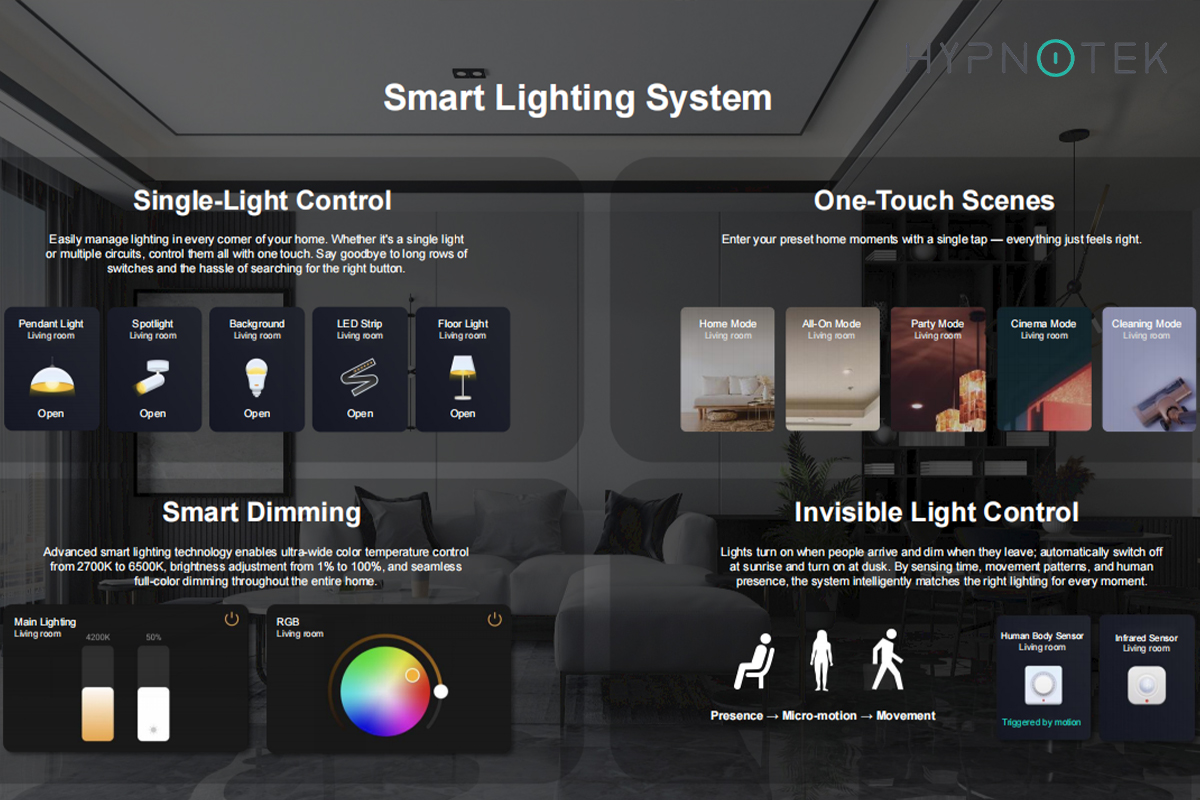
Common smart lighting control functions include:
Scene Control: Switch between preset settings for meetings, relaxation, reading, and daily activities.
Dimming Control: Adjust light output according to different needs while reducing unnecessary energy consumption.
Daylight Integration: Work with suitable sensors and compatible control systems to adjust artificial lighting according to available natural light.
Zone Control: Manage different areas independently for greater flexibility and convenience.
ILLUS integrates Hypnotek smart lighting products and DALI control technologies to support different project requirements.
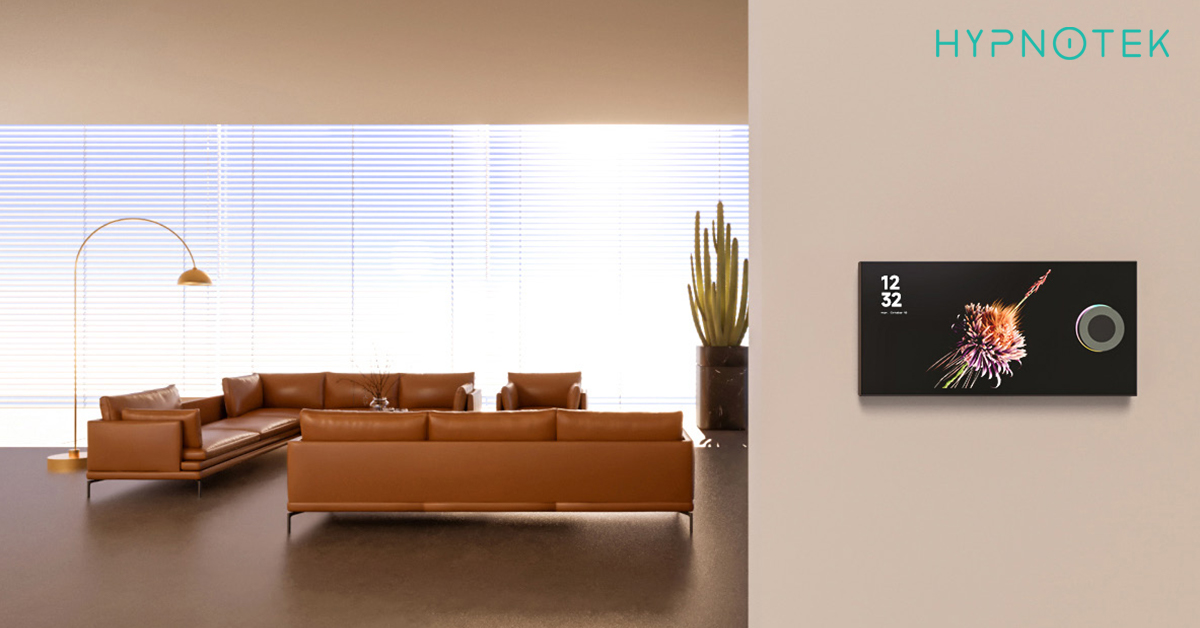
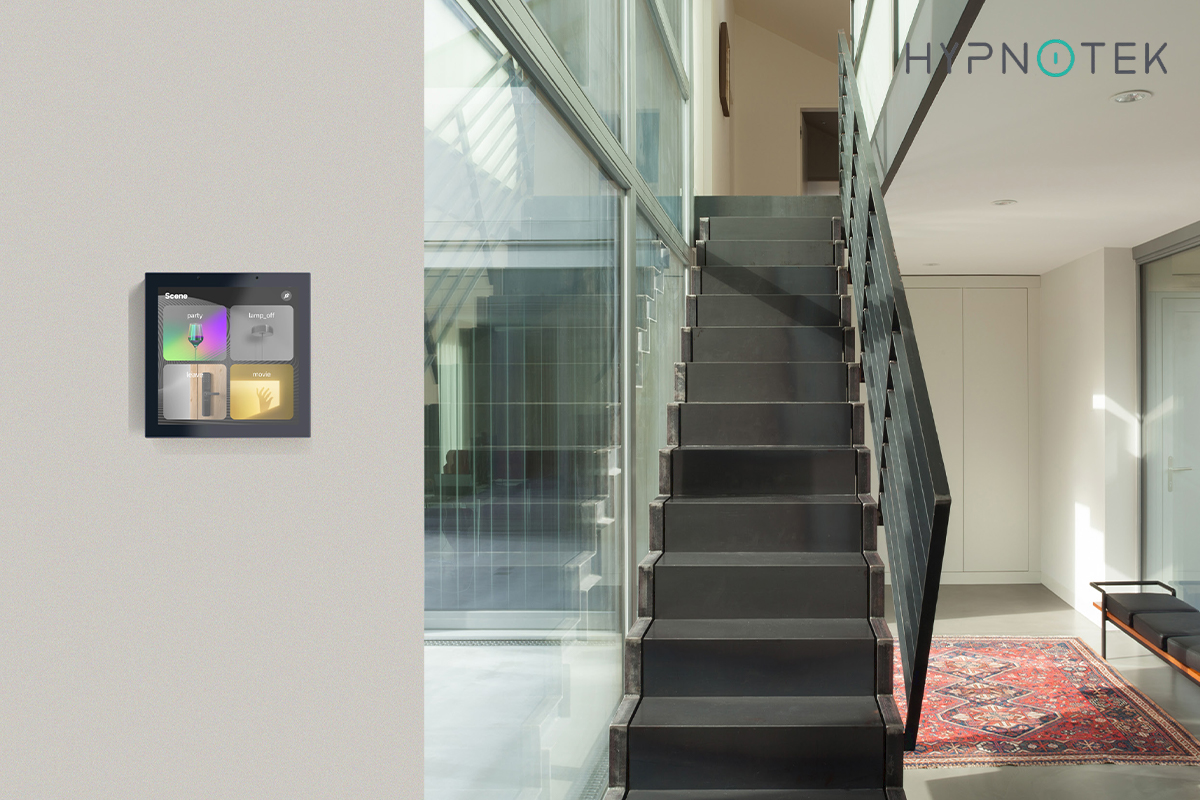
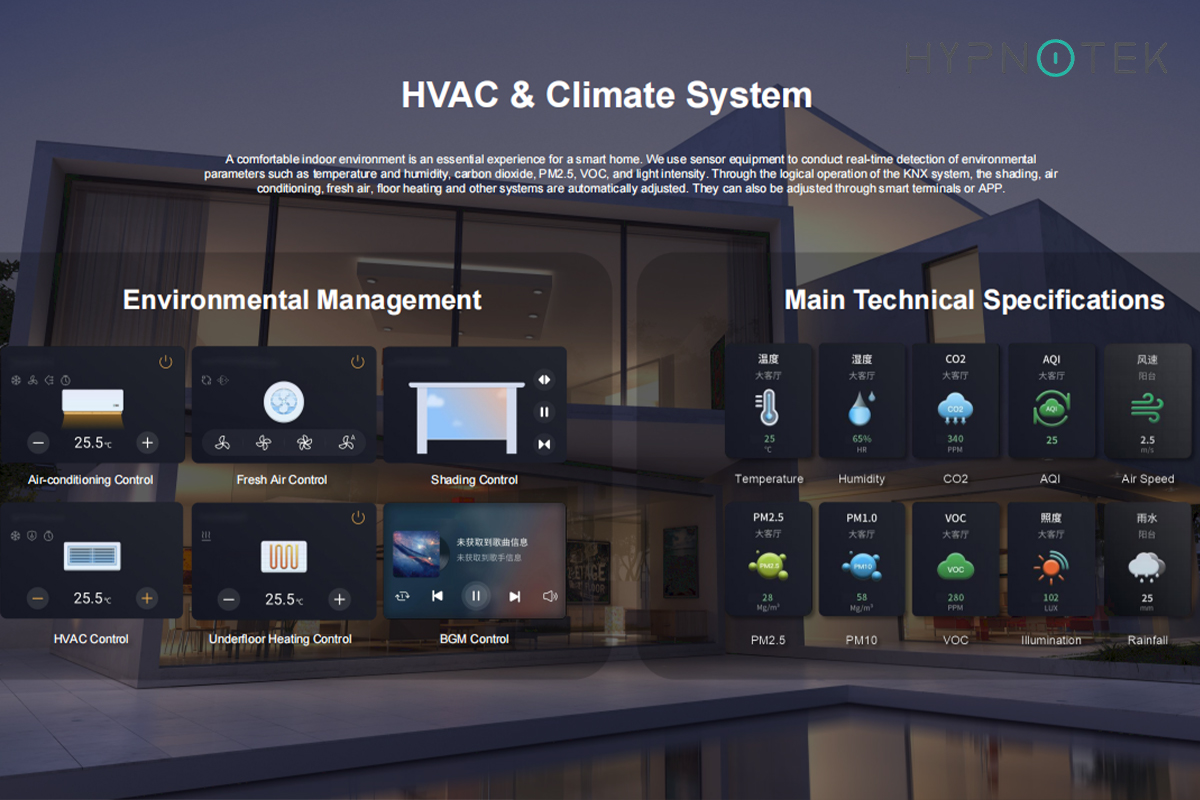
Hypnotek smart control panels provide a central interface for managing lighting functions, while DALI-based solutions enable more flexible digital lighting management when compatible devices are specified.
During system planning, communication protocols, device compatibility, control functions, and installation requirements should be carefully evaluated to ensure reliable operation.
4. Lighting Solutions for Different Spaces
Every building has different lighting priorities. Combining suitable luminaires with intelligent controls helps achieve the desired lighting performance.
Hospitality: Creating Personalised Experiences
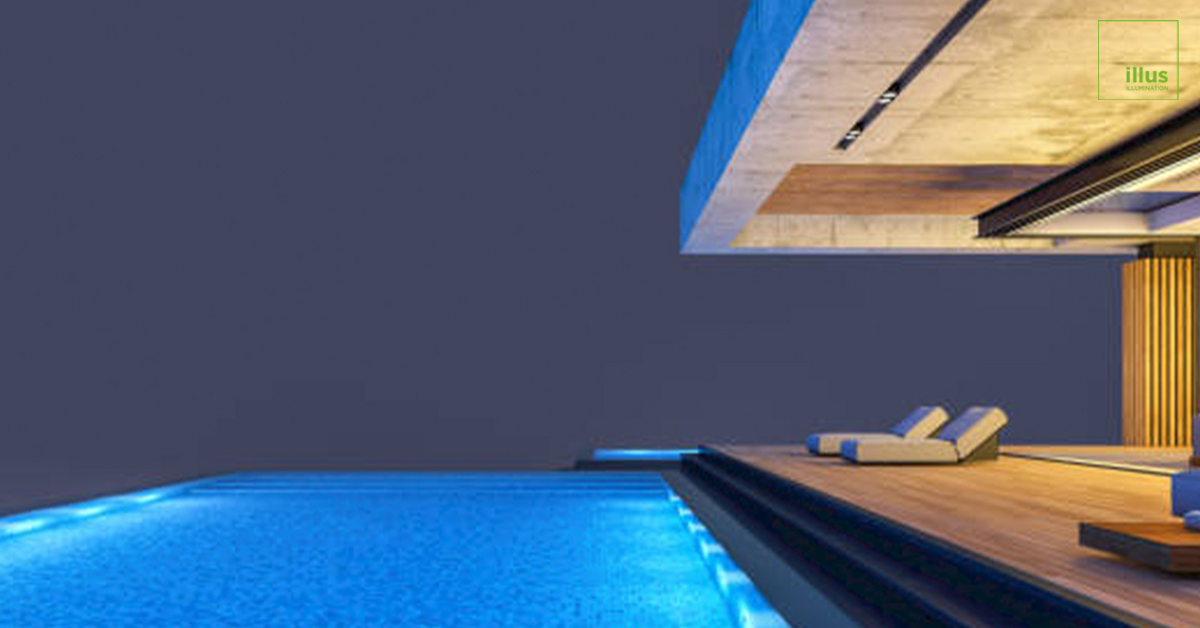
Downlights provide general illumination, spotlights highlight selected areas, and LED strips introduce indirect lighting around ceilings, furniture, and architectural details.
Combined with smart scene control, these lighting layers can support Welcome, Reading, Relaxation, and Night Mode settings, allowing guests to adjust their environment according to their preferences.
Commercial Buildings: Supporting Flexible Workspaces
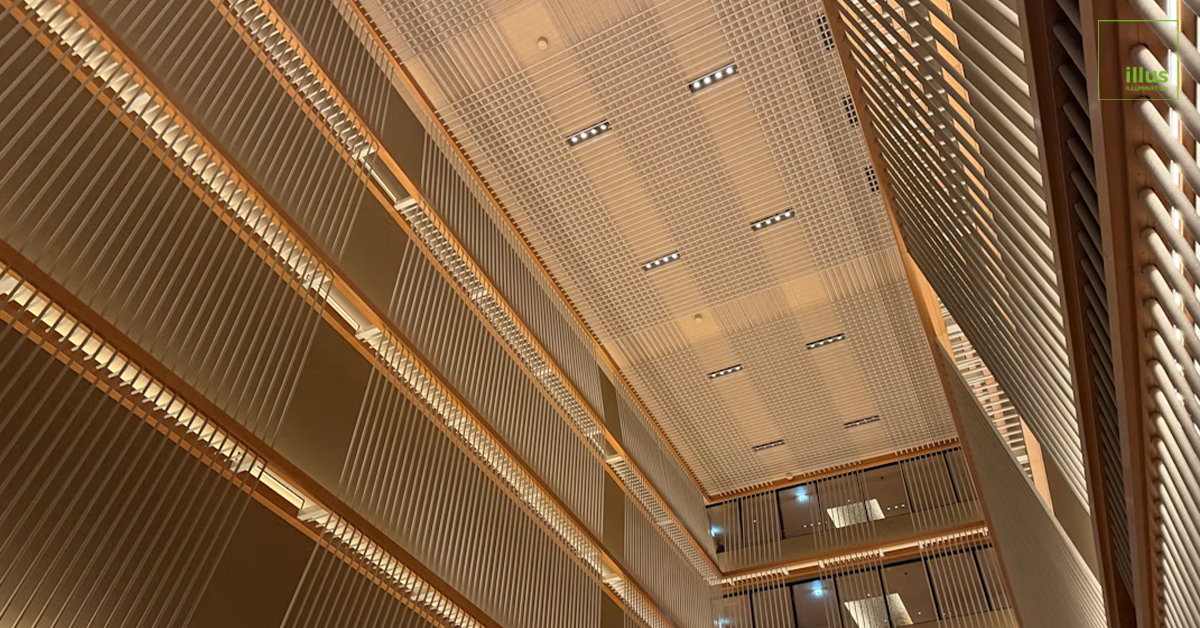
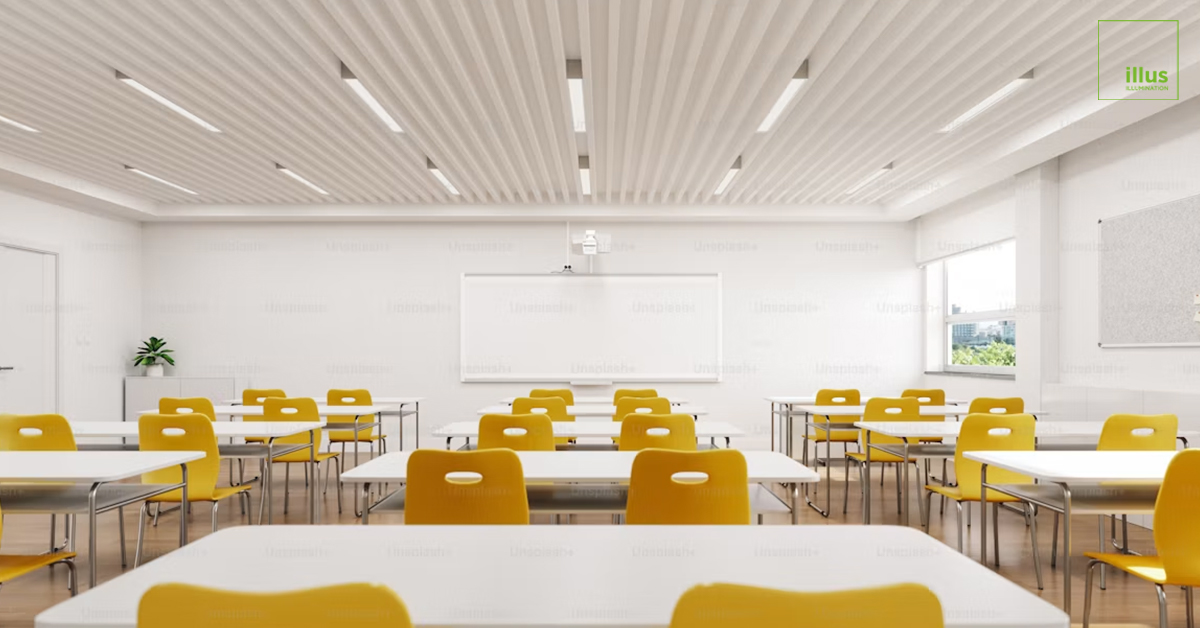
Offices and meeting rooms require lighting that adapts to different activities. Downlights provide general illumination, while magnetic track lights and spotlights offer flexible accent lighting.
Dimming, scene control, and daylight integration can help the same space transition between meetings, presentations, and everyday work.
Retail: Enhancing Product Presentation
Retail lighting needs to balance general illumination with focused product lighting. Magnetic track lights and spotlights highlight merchandise and displays, while LED strips enhance shelving and architectural details.
With intelligent dimming and scene settings, retailers can adjust the lighting atmosphere according to product displays and operational needs.
When selecting luminaires, factors such as beam angle, colour rendering, colour temperature, installation conditions, and intended lighting effects should all be considered to ensure the right solution for each project.
5. Energy Efficiency and Long-Term Flexibility
Sustainable lighting is not only about using energy-efficient LED luminaires. It also involves reducing unnecessary lighting operation through intelligent control.
Dimming, occupancy sensing, scheduled control, and daylight integration can help optimise lighting usage and improve energy efficiency.
At the same time, modern buildings require lighting systems that can adapt to changing layouts and operational needs. A well-planned control system should allow lighting zones and scenes to be adjusted without unnecessary changes to the entire installation.
ILLUS focuses on matching lighting products and control solutions to specific project requirements, balancing visual quality, energy performance, ease of operation, and long-term flexibility.
Conclusion: Lighting That Adapts to People and Spaces
The future of smart lighting is not simply about connecting more devices. It is about creating lighting environments that respond naturally to people, activities, and changing surroundings.
By combining professional lighting design, suitable LED luminaires, intuitive controls, and reliable system integration, modern buildings can achieve greater comfort, efficiency, and flexibility.
With its ILLUS lighting product range and Hypnotek smart lighting solutions, ILLUS supports adaptive lighting applications across architectural, commercial, hospitality, and residential projects.