.png)
.png)


.png)


How to Integrate Smart Air Quality and Lighting for Healthier Homes and Offices in 2026
Modern homeowners and office managers want spaces that actively support health and productivity. Lighting and air quality are two of the most important environmental factors, yet most people still treat them as separate systems. When you integrate smart air quality solutions with intelligent lighting, you create environments that respond to human needs throughout the day. This guide shows you exactly how to plan and implement such an integrated system in 2026.
Why Integration Matters
Poor air quality causes fatigue, headaches, and reduced concentration. At the same time, harsh or poorly timed lighting can disrupt sleep cycles and increase eye strain. When these two systems work independently, the results are often disappointing. A beautifully lit room can still feel uncomfortable if the air is stale. A room with excellent air filtration can feel cold and clinical if the lighting is too bright or the wrong color temperature.
Integration solves this problem. When air quality devices and lighting systems communicate, they can create coordinated experiences. For example, as evening approaches, the system can gradually shift lighting to warmer tones while activating quieter air purification modes. This creates a natural transition that supports the body clock and improves sleep quality. The combined effect is significantly more powerful than either system alone.
Assess Your Current Environment
Before buying any equipment, evaluate the current state of your space. Measure air quality using a simple indoor air quality monitor. Note which rooms have the worst air, highest humidity, or strongest odors. Also evaluate your existing lighting. Identify areas that feel too dark, too bright, or have poor color rendering. This assessment helps you prioritize where to start and which products will deliver the biggest improvement.
Key Areas to Evaluate
Pay special attention to high-traffic areas such as living rooms, home offices, and bedrooms. These spaces have the greatest impact on daily well-being. Also consider rooms with specific challenges, such as kitchens that produce cooking fumes or bathrooms with high humidity. Understanding these pain points will guide your product selection and placement.
Choose the Right Smart Air Quality Devices
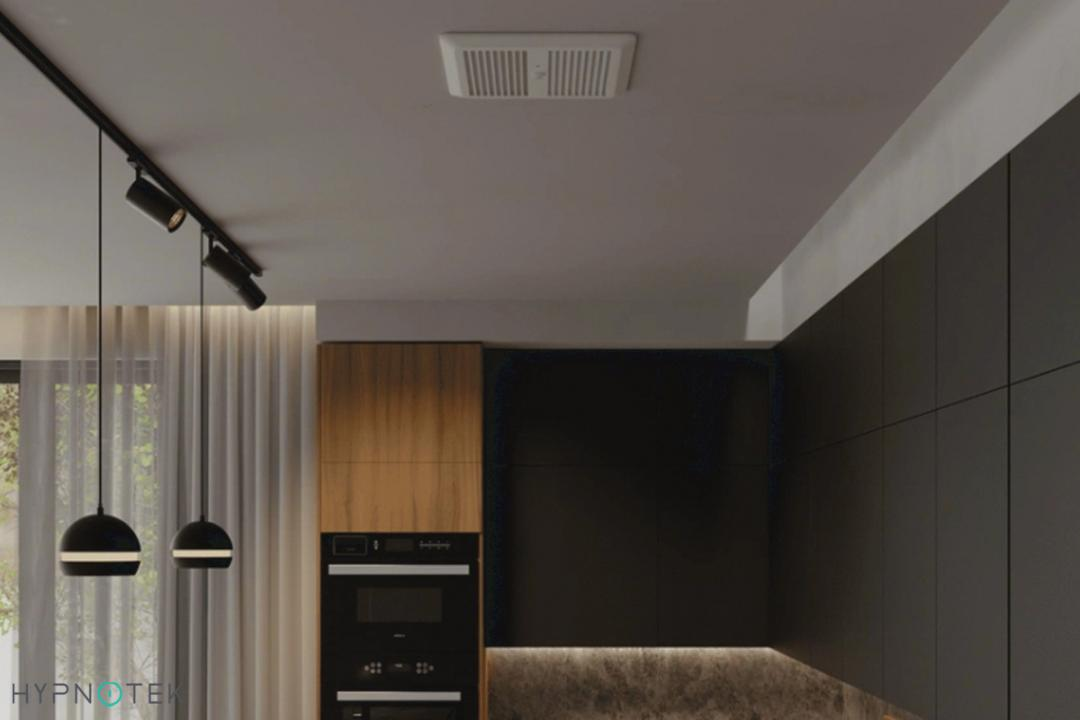
Select air quality devices based on room size, pollution sources, and noise sensitivity. The Optimal Air Purifier is an excellent choice for living rooms and bedrooms because it combines strong filtration with quiet operation. For kitchens and bathrooms, the Wind Smart Exhaust Fan provides targeted ventilation that removes moisture and odors at the source. In spaces where you want to add pleasant scents and improve perceived air quality, the Cedar Smart Diffuser offers a practical solution.
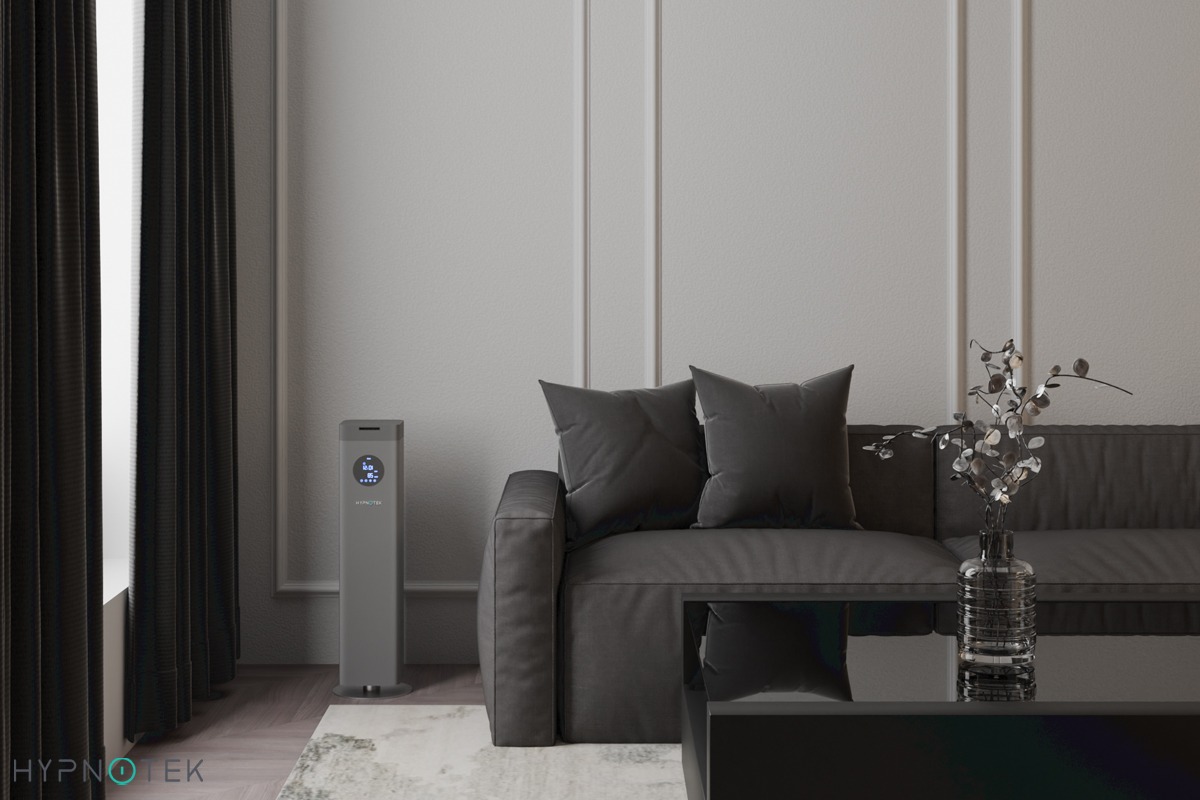
Look for devices that offer real-time air quality monitoring and automatic speed adjustment. These features ensure the system responds to changing conditions without manual intervention. Also consider energy consumption and filter replacement costs when comparing options. A slightly more expensive device with lower running costs often provides better long-term value.
Select Compatible Smart Lighting
Choose lighting that supports the same smart home protocol as your air quality devices. Hypnotek products support Zigbee, KNX, and Tuya, making integration straightforward. Prioritize bulbs and panels that offer wide color temperature ranges (2700K to 6500K) and smooth dimming down to 1 percent. These features allow you to create lighting scenes that match different times of day and activities.
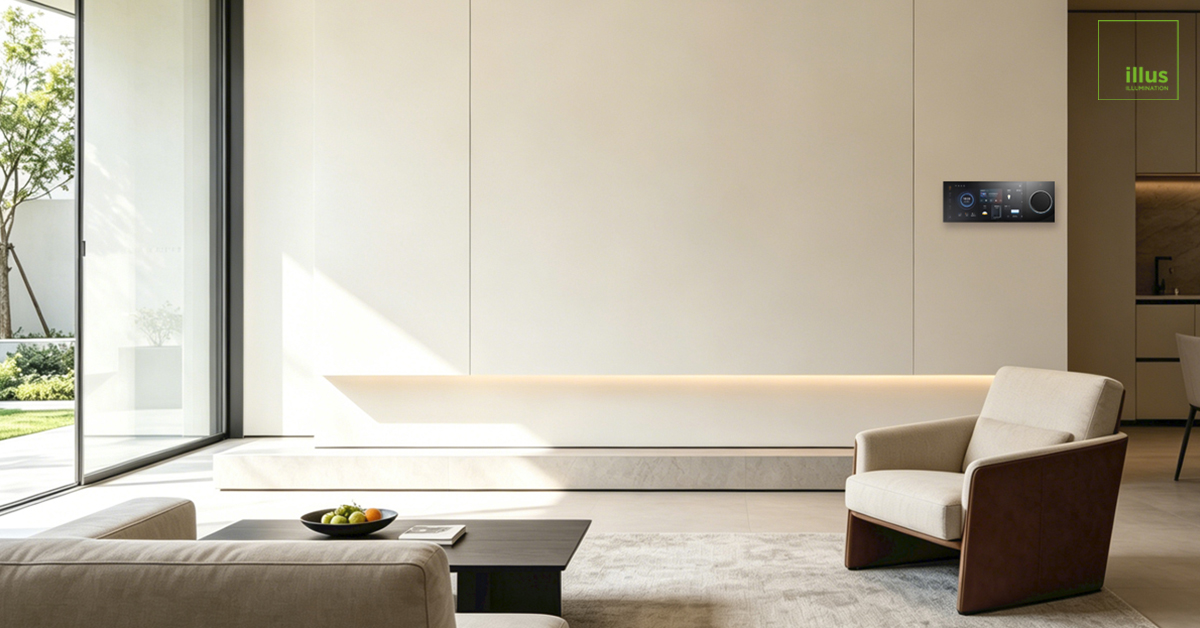
For central control, consider installing the KNX Smart Touch Screen 10-inch Series in key locations. This panel allows you to manage both lighting scenes and air quality devices from a single, elegant interface. Wireless options like the Kinetic Switch provide convenient local control without requiring new wiring.
Create Coordinated Scenes and Automation
This is where integration delivers the greatest value. Create scenes that coordinate lighting and air quality. A Morning Boost scene can gradually increase lighting brightness and color temperature while running the air purifier at medium speed to remove overnight pollutants. An Evening Wind Down scene can dim lights to warm tones, reduce ventilation noise, and activate the smart diffuser with calming scents.
Use occupancy sensors and schedules to automate these scenes. When the system detects that someone has entered the home office, it can activate bright, cool lighting and increase air purification. When the bedroom remains unoccupied for more than thirty minutes, it can switch to energy-saving mode. These automations make the system feel intelligent rather than merely reactive.
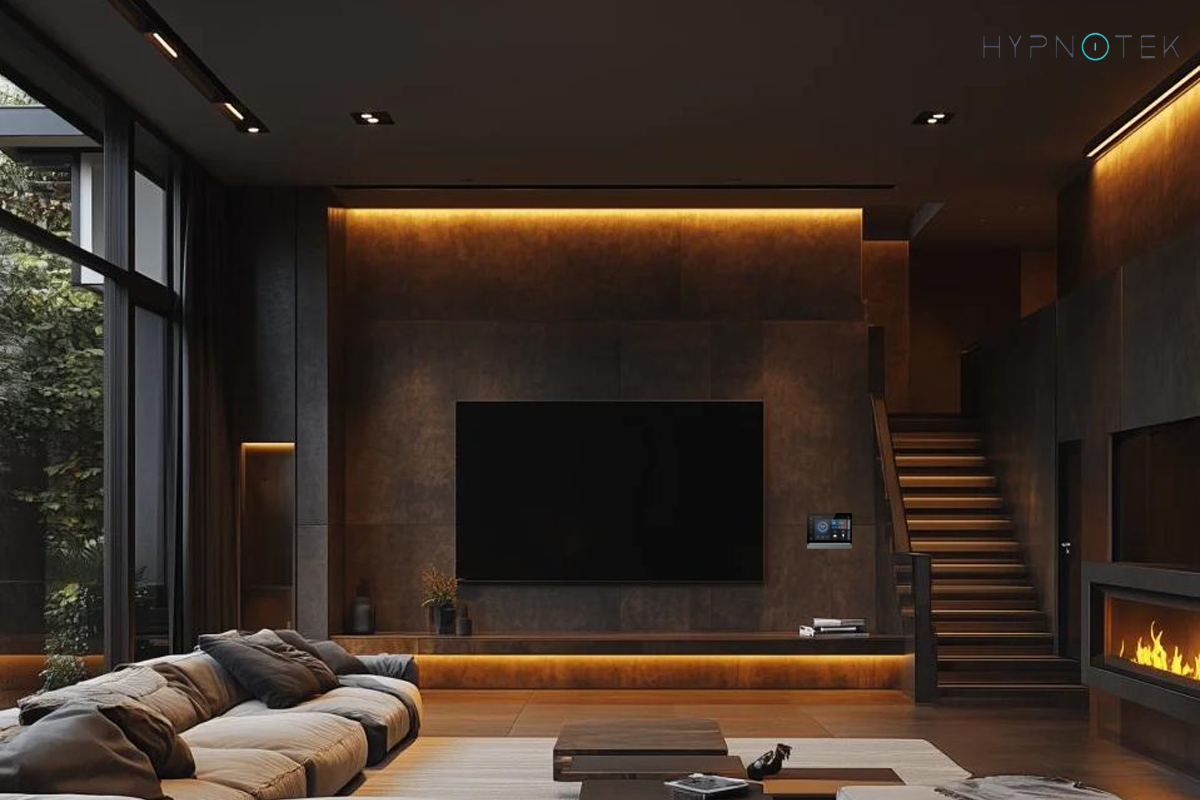
Installation and Integration Tips
Start with one or two rooms rather than trying to automate the entire house at once. This approach allows you to test the system and refine settings before expanding. Place air quality devices where they can circulate air effectively, typically away from corners and at least 30 centimeters from walls. Position smart switches and panels at natural control points, such as near doorways and beside beds.
Ensure all devices are connected to a stable network. Zigbee devices benefit from a mesh network where each device helps extend the signal. Test the system thoroughly after installation. Verify that scenes activate correctly, that air quality readings update in real time, and that the system responds appropriately to occupancy and schedules.
Measure Results and Optimize
Track key metrics such as air quality readings, energy consumption, and occupant feedback. Many smart air quality devices provide historical data through their companion apps. Use this information to identify patterns and adjust settings. If a particular room consistently shows poor air quality in the evening, increase ventilation or purification during those hours.
Regular maintenance is essential for long-term performance. Replace air purifier filters according to manufacturer recommendations. Clean exhaust fan blades and check for dust buildup. Update device firmware when new versions become available. These simple steps ensure the system continues to deliver optimal results year after year.
Recommended Room-by-Room Setup
|
Room |
Air Quality |
Lighting |
|
Living Room |
Optimal Air Purifier + Cedar Smart Diffuser |
Tunable white bulbs, scene control |
|
Kitchen |
Wind Smart Exhaust Fan + Optimal Purifier |
High CRI task lighting, bright white |
|
Bedroom |
Optimal Air Purifier (quiet mode) |
Warm 2700K, gradual dimming to 1% |
|
Home Office |
Optimal Air Purifier + Cedar Smart Diffuser |
Cool 5000K, high brightness |
Long-term Benefits and Return on Investment
Integrated air quality and lighting systems deliver measurable benefits. Studies show that improved indoor air quality can increase cognitive performance by up to 15 percent. Better lighting that supports circadian rhythms improves sleep quality and daytime alertness. Energy savings of 20 to 35 percent are common in buildings that implement coordinated automation. For commercial properties, these improvements translate into higher occupant satisfaction, lower operating costs, and increased property value.
Integrating smart air quality and lighting is one of the most effective upgrades you can make to a home or office in 2026. By following the steps outlined above and choosing compatible products from Illuslighting, you can create environments that actively support health, comfort, and productivity. We offers practical, scalable solutions for both new construction and retrofit projects. The initial investment pays dividends through better daily experiences, lower energy bills, and long-term well-being. Start with one or two key rooms, prove the concept, and expand gradually. The results will speak for themselves.