.png)
.png)


.png)


2026 Best Lighting Control Systems for Commercial Buildings: KNX Solutions

Lighting control in commercial buildings has evolved into a strategic investment rather than a simple technical requirement. Hotels, offices, retail stores, and mixed-use developments all face increasing pressure to deliver comfortable environments, reduce operating costs, and meet stricter energy codes. The systems chosen today must handle complex demands while remaining straightforward to operate and expand over time. Among the available options, KNX has emerged as a preferred standard for professional projects because of its reliability, interoperability, and long track record in demanding applications.

The Distinct Challenges of Commercial Lighting Control
Commercial properties operate on a completely different scale from residential projects. A typical office floor can contain several hundred lighting points that need to respond to occupancy patterns, available daylight, and scheduled events. Hotels require different lighting moods for lobbies, corridors, meeting rooms, and guest accommodations, often with central oversight from a reception desk or building management platform. Retail spaces depend on lighting to guide customer movement and emphasize merchandise, with layouts that change seasonally or even weekly.
Special Requirements in Different Sectors
Hospitals and educational institutions add another layer of complexity. Patient rooms and classrooms need lighting that supports both focus and rest, while corridors and common areas must meet strict safety and wayfinding standards. These conditions create practical problems that simpler systems struggle to solve. Integration with HVAC, shading, and security platforms becomes essential. Multiple user interfaces must coexist, ranging from wall-mounted panels for daily staff use to mobile or desktop dashboards for facility managers. Energy performance must be measurable and reportable to satisfy both internal sustainability goals and external regulatory requirements. Finally, the installation must support future growth without forcing a complete replacement of the control infrastructure.
Why KNX Has Become a Preferred Choice in Professional Projects
KNX is an open, manufacturer-independent protocol that has been refined over more than three decades. It allows products from different suppliers to communicate on the same network, which is especially useful in commercial work where lighting, climate control, and security systems frequently come from separate vendors. The standard supports both wired and wireless communication, giving designers flexibility for new construction as well as renovation projects where existing cabling must be preserved.
Another advantage is long-term stability. Many KNX installations from the 1990s and early 2000s continue to operate reliably today, a level of durability that matches the expected lifespan of commercial buildings. The protocol also includes built-in monitoring and remote access capabilities, allowing facility teams to diagnose issues or adjust settings from anywhere without visiting the site. These characteristics have made KNX a common specification in European commercial projects and an increasingly popular option in other regions as well.
Important Factors When Evaluating Control Systems
Choosing the right lighting control platform for a commercial property involves several interconnected considerations. Scalability is critical; the system should accommodate additional floors, zones, or functions years after the initial installation without requiring a redesign. Programming and maintenance should be straightforward enough that regular staff or local technicians can handle routine adjustments. Integration depth determines whether the lighting system can share data and commands with other building systems. User interface options affect daily usability for everyone from housekeeping to senior management. Energy reporting and analytics features help owners track performance and demonstrate compliance with green building standards.
Common Mistakes to Avoid
Many projects run into trouble not because of the technology itself, but because of poor planning. One frequent mistake is underestimating the importance of user training. Even the most advanced system will fail to deliver value if staff do not understand how to use it effectively. Another common issue is failing to involve end users early in the design process, resulting in interfaces that look good on paper but frustrate daily operators. Finally, some teams focus too heavily on upfront cost and overlook long-term maintenance and expansion expenses.
The Practical Value of Touch Panels in Commercial Settings
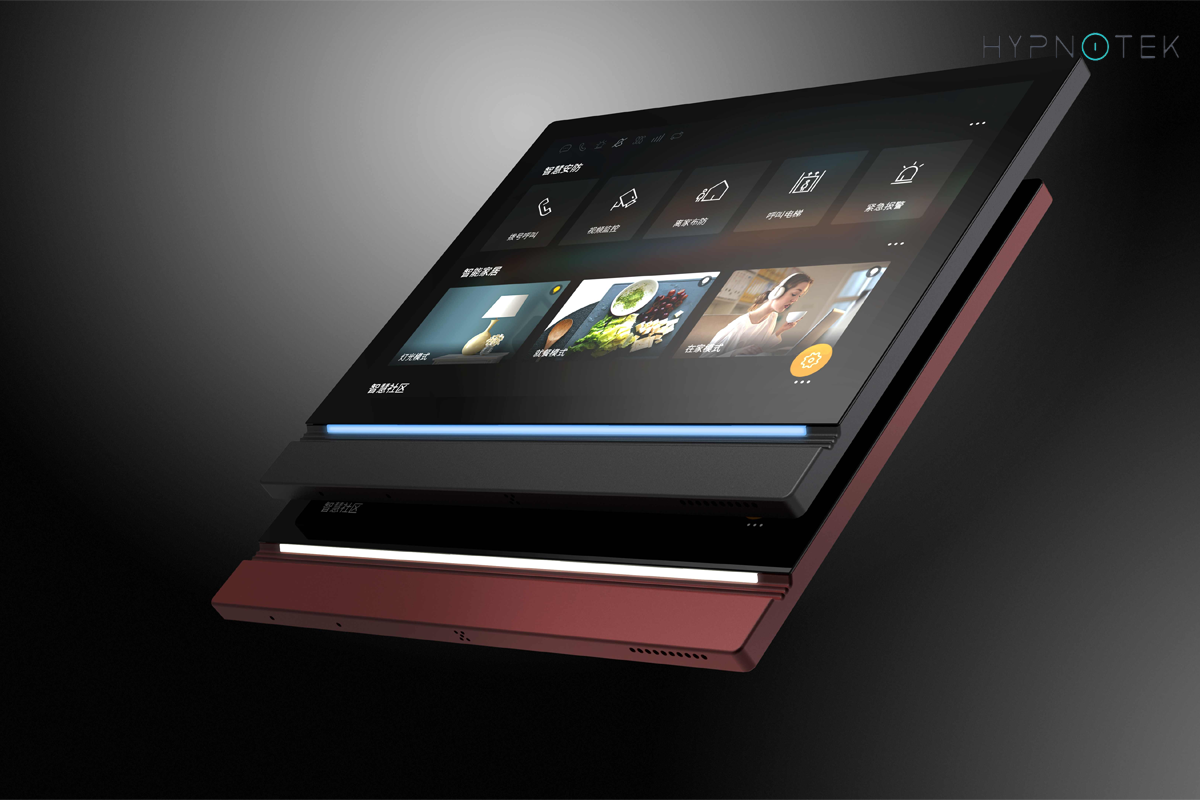
Many commercial projects benefit from dedicated touch panels installed in key locations such as reception areas, control rooms, or manager offices. These panels give staff an immediate, visual way to adjust scenes, check system status, and respond to issues without navigating complex menus. One popular choice is the KNX 10 inch Smart Touch Screen, which features a large responsive display designed specifically for the demands of complex commercial environments.
Energy Performance and Financial Returns
Lighting typically accounts for a substantial share of electricity use in commercial buildings. Intelligent control strategies such as daylight harvesting, occupancy-based switching, and time-of-day dimming can reduce this consumption by 25 to 40 percent in many cases. The financial case is often compelling, with payback periods of three to five years followed by ongoing savings that improve the building operating margin. Beyond direct energy cost reductions, better lighting quality can support occupant productivity and satisfaction, creating softer but equally real value for property owners and tenants.
Real-world data from multiple retrofit projects shows that hotels using advanced KNX-based controls have reduced lighting-related energy costs by up to 38 percent within the first year. Office buildings with occupancy-linked dimming report not only lower utility bills, but also higher tenant satisfaction scores, as employees appreciate the ability to personalize their immediate environment. These results demonstrate that well-designed lighting control delivers both measurable financial returns and softer benefits that contribute to overall property value.
Implementation Practices That Lead to Success
Projects that deliver lasting results tend to follow a consistent pattern. Lighting designers and controls specialists are brought into the conversation early, while architectural and operational requirements are still being defined. Clear documentation of user needs and expected workflows helps prevent scope changes and budget overruns later. Commissioning is treated as a distinct phase rather than an afterthought, and hands-on training is provided for the people who will use the system every day. Ongoing support, including software updates and remote diagnostics, keeps performance consistent and allows continuous refinement as the building use evolves.
Emerging Directions in Commercial Lighting Control
The industry is moving toward tighter integration between lighting and broader building intelligence platforms. Predictive maintenance, advanced analytics, and AI-assisted optimization are becoming more common. KNX systems are well positioned to participate in this evolution because of their open architecture and proven interoperability. As energy regulations tighten and occupant expectations for comfort and personalization continue to rise, the ability to deliver precise, responsive, and efficient lighting will become an increasingly important differentiator for commercial properties seeking to attract and retain tenants or guests.
Selecting the right control system for a commercial space ultimately comes down to matching technical capabilities with the specific operational realities of the building. Illuslighting provides professional KNX lighting control solutions for commercial buildings. These systems deliver reliable, scalable, and energy-efficient performance—whether for new construction or comprehensive upgrades—ensuring lasting efficiency, comfort, and operational clarity.