.png)
.png)


.png)


Smart Lighting Trends for Retail and Hospitality in 2026
Lighting in retail and hospitality does far more than simply make spaces visible. It shapes how customers and guests feel, how long they stay, and whether they return. Good lighting can make a store feel exciting or a hotel room feel restful. Poor lighting can make people leave sooner or rate their experience lower. In 2026, businesses in these sectors are treating smart lighting as a core operational tool . Well-designed systems help control costs while creating stronger emotional connections with visitors.
Lighting That Supports How People Actually Feel
Many retailers and hotel operators are moving toward lighting that works with human biology. Tunable systems can shift color temperature and brightness throughout the day to match natural circadian rhythms. Shops often use cooler, brighter light in the morning to keep energy levels high, then switch to warmer tones later to encourage people to slow down and spend more time. Hotels apply similar logic in lobbies, dining areas, and guest rooms to help travelers feel comfortable and sleep better. The goal is to create spaces that feel pleasant at different times of day without requiring constant manual adjustments from staff. This approach has gained traction because it directly affects how long people choose to stay and how positively they remember their visit.
Benefits Beyond Customer Comfort
Human-centric lighting doesn’t only benefit customers and guests. Staff in retail and hospitality also experience positive effects when lighting supports their natural rhythms. Better alertness during shifts, reduced eye strain, and improved mood can lead to higher productivity and lower absenteeism. Some hotels have reported that staff working under well-tuned lighting systems feel less fatigued by the end of long shifts. This dual benefit for both customers and employees makes the investment more attractive from an operational standpoint.
Making Tunable Lighting Easier to Use
The hardware and controls needed for this kind of lighting have become much more practical. Modern LED fixtures paired with KNX or Zigbee systems can change color temperature and intensity automatically based on time of day or how many people are in a space. Illus offers tunable LED panels and smart controls of Hypnotek series that work well for both new builds and renovation projects, without requiring a complete electrical overhaul. These systems can also respond to daylight sensors, which helps save energy while maintaining consistent visual comfort throughout the day.
Lighting That Changes With the Day
Retail lighting is becoming more flexible. Instead of installing fixed spotlights that stay the same for months, many stores now use systems that can be reprogrammed to highlight different products or create different moods at different times. A clothing shop might use bright, cool light in the morning to make colors stand out, then move to warmer, softer lighting in the evening to create a more intimate atmosphere. These shifts can follow a set schedule or respond to real-time sales data. The result is lighting that feels more alive and responsive to how people actually use the space throughout the day.
Real-World Examples in Retail
Some fashion retailers have started using dynamic lighting to match different product launches or seasonal themes. During a summer collection launch, they might use bright, energetic lighting to create a fresh and vibrant feel. Later in the season, as they move toward autumn collections, the lighting can shift to warmer, cozier tones. These changes are often subtle enough that customers may not consciously notice them, but they contribute to the overall atmosphere and can influence purchasing behavior.
Cutting Energy Use in Spaces That Run All Day and Night
Hotels and many retail locations never close, so managing energy carefully matters a lot. Smart lighting can cut consumption significantly by turning lights down or off when areas are empty, responding to natural daylight, and following actual occupancy patterns instead of fixed schedules. In larger hotels, these measures often reduce lighting energy use by 25 to 40 percent while keeping guests comfortable. The savings come from both lower electricity bills and reduced maintenance, since lights and drivers last longer when they are not running at full power all the time.
Better Tools for Managing Large Properties
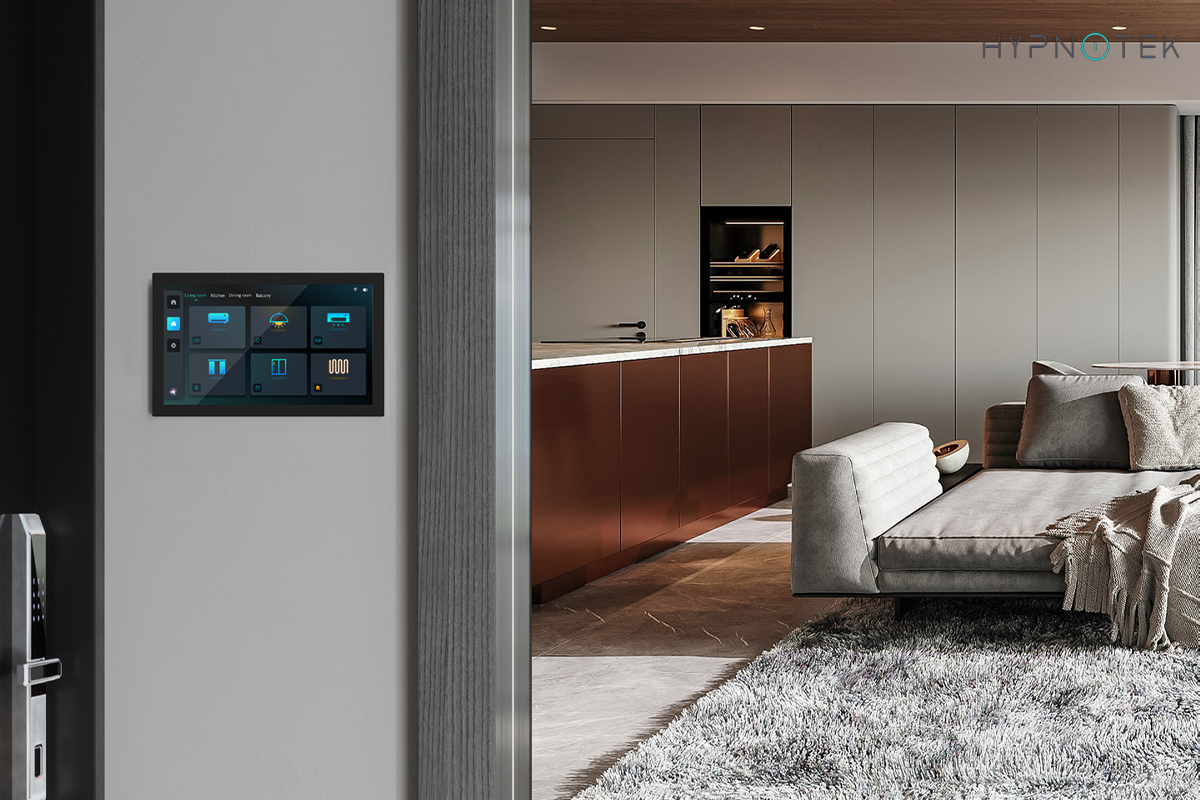
Running lighting across a big hotel or retail complex needs more than individual switches. The KNX Smart Touch Screen 10-inch Series gives facility teams a clean, central place to monitor and adjust lighting throughout a property. Wireless Kinetic Switches add flexibility by letting staff control specific areas without pulling new wires, which is especially useful in older buildings where electrical work is expensive and disruptive. Together these tools make it realistic to manage complex lighting scenes across hundreds of rooms and public areas from one location.
Modern Touch Control for Intuitive Management
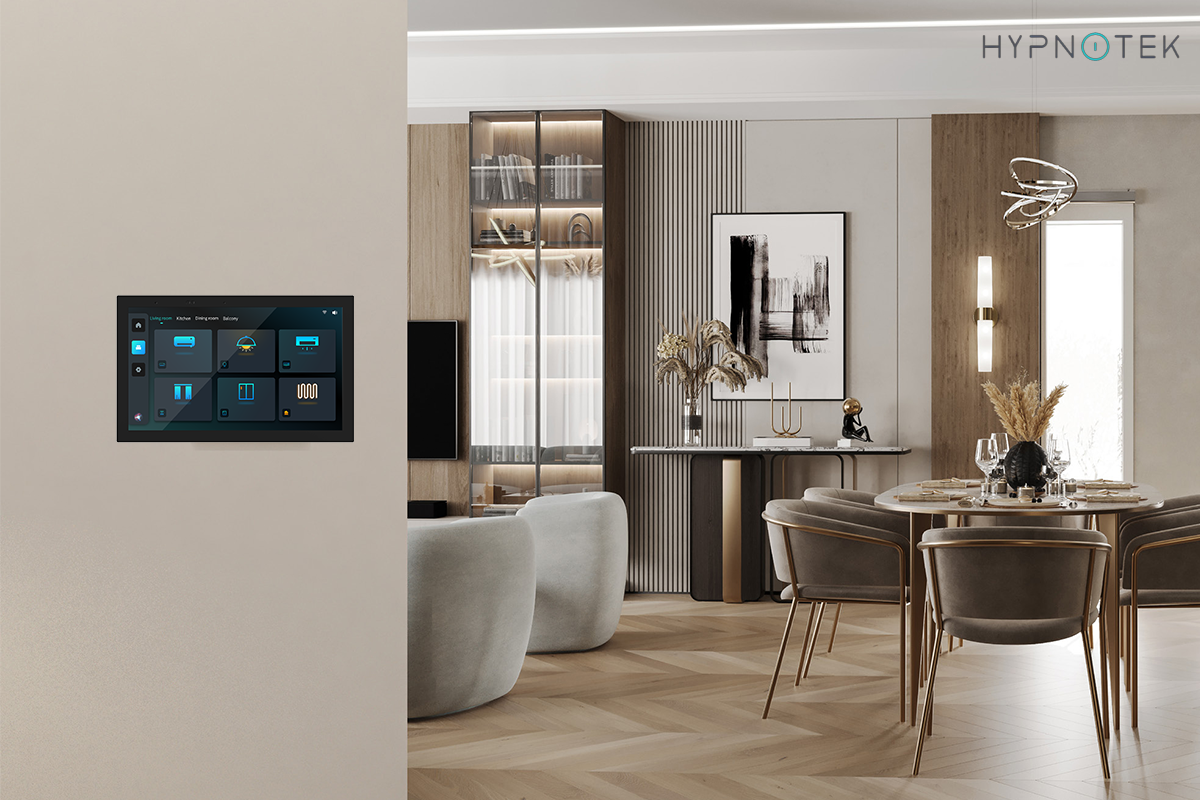
For properties that want an elegant and powerful interface, the Aether 5.5 Inch Smart Panel with HD IPS Touch Screen provides an excellent solution. With its high-definition screen, intuitive scene management, and voice control capabilities, it allows staff or managers to easily adjust lighting across different zones without complex programming. This kind of modern touch panel is becoming increasingly popular in hotels and upscale retail environments where both aesthetics and functionality matter. The clear display and responsive touch make it easy for non-technical staff to use, which reduces training time and errors.
Using Sustainability to Strengthen Brand Image
Customers, especially younger ones, pay attention to whether a business seems environmentally responsible. Visible smart lighting that clearly saves energy can support that image. Many hotels now mention their lighting upgrades in guest communications and marketing. Retailers use lighting to highlight sustainable products or eco-friendly design choices. When people can see that a company is actively reducing its impact, it often improves how they feel about the brand overall. This effect is strongest when the lighting itself becomes part of the story the business tells about its values and long-term commitments.
The Business Case for Upgrading
The financial benefits of smart lighting upgrades in these sectors are clear. Lower energy bills improve margins directly. Reduced maintenance frees up staff time. Better customer experiences often lead to higher sales and stronger satisfaction scores. When all these factors come together, most properties see payback within three to five years, with savings continuing for years afterward. The combination of lower operating costs and improved guest perception makes these upgrades increasingly difficult to ignore from a business standpoint, especially as energy prices remain uncertain and customer expectations continue to rise.
Where to Start
Properties getting started with these ideas usually focus first on areas with the highest impact. In hotels, that often means lobbies, restaurants, and guest rooms. In retail, feature displays, fitting rooms, and checkout zones tend to deliver the fastest results. Running a pilot in one or two key areas lets teams test what works before rolling changes out more widely. Starting small also helps staff get comfortable with the new controls and scenes before the system expands across the entire property.
Conclusion
Smart lighting has moved from being a nice extra to something that competitive retail and hospitality businesses now expect to have. Properties that invest thoughtfully in 2026 stand to gain lower running costs, a clearer brand identity, and noticeably better experiences for the people who visit them. Illuslighting provides both the products and the practical support needed to make these improvements happen across different types of properties and budgets.