.png)
.png)


.png)


Commercial Office Lighting Retrofit Guide 2026: ROI, Cost and Energy Savings
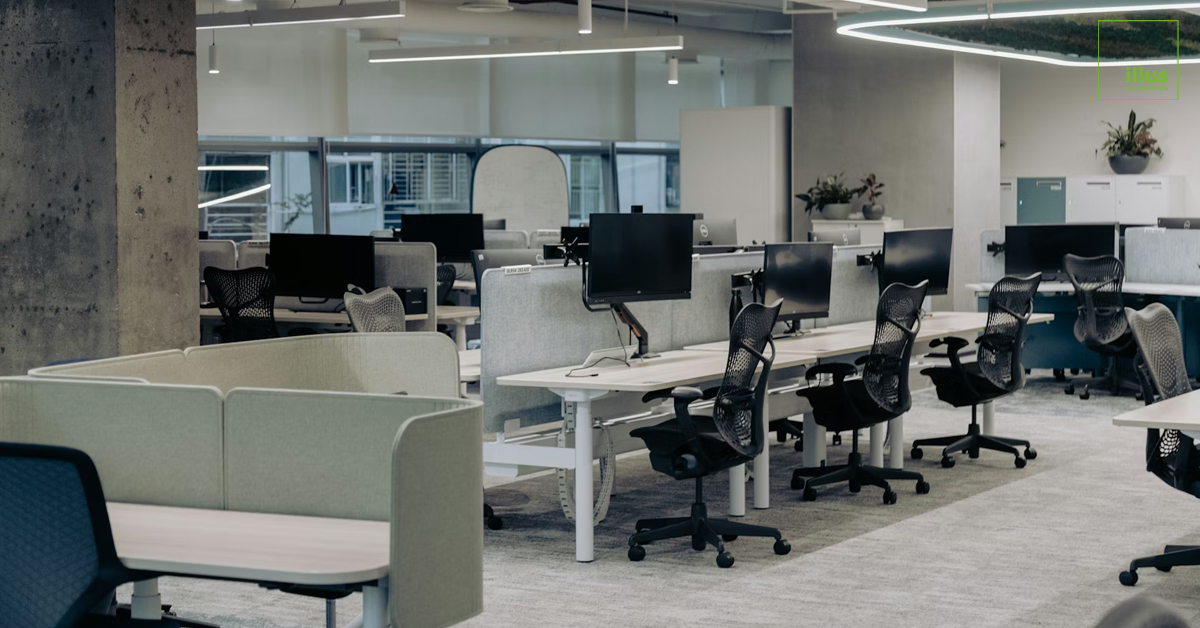
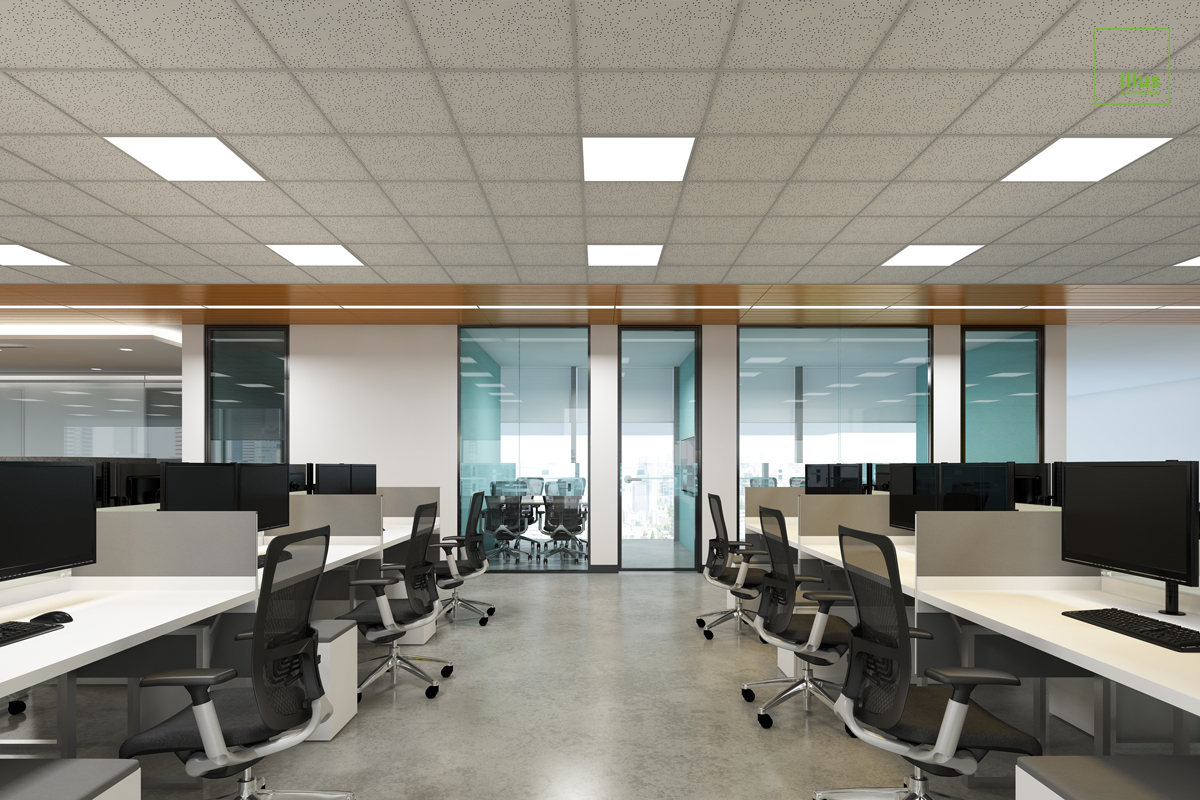
Many office buildings still operate with outdated fluorescent or early-generation LED lighting systems that waste energy and deliver poor visual quality. A well-planned lighting retrofit can reduce energy consumption by 30 to 40 percent while improving comfort and productivity. This guide explains how to approach a commercial office lighting retrofit in 2026, from initial assessment to final measurement of results.
Why Retrofit Now
Energy prices remain high in most regions, and building codes are becoming stricter every year. Older lighting systems not only consume more electricity but also require frequent maintenance and replacement. Fluorescent tubes contain mercury and are being phased out in many markets. Early LED installations from ten years ago often have poor color rendering and limited control options compared with current technology.
Beyond Energy Savings
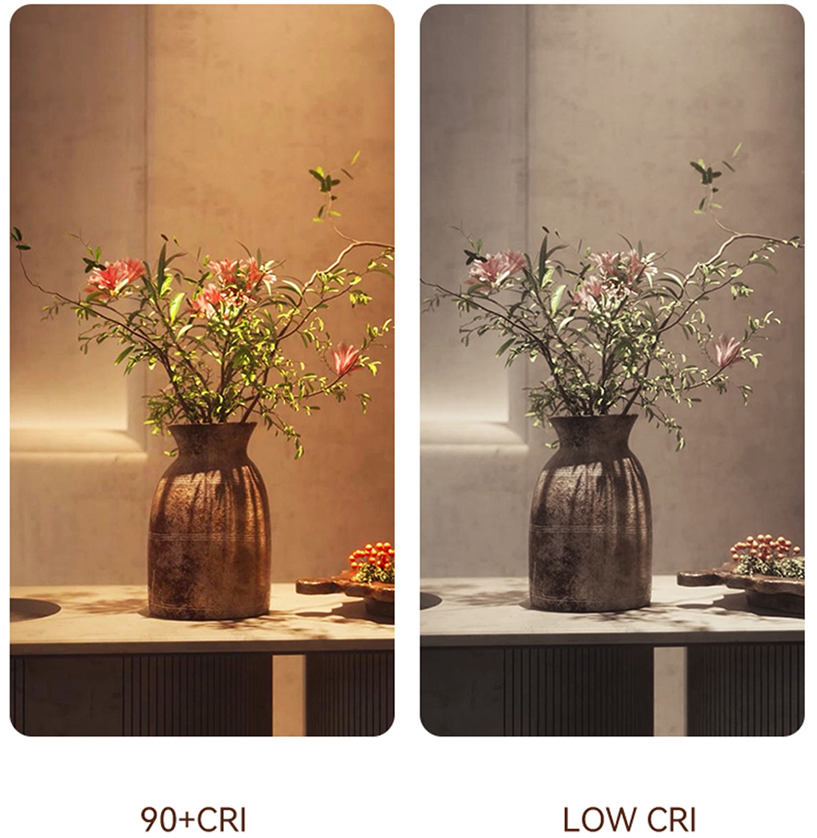
Beyond cost savings, modern lighting improves the work environment. Better color rendering makes spaces feel more pleasant. Tunable lighting that follows the natural day-night cycle can reduce afternoon fatigue and improve sleep quality for employees. These benefits translate into measurable productivity gains and lower absenteeism, which often exceed the direct energy savings.
Conduct a Professional Lighting Audit
Begin with a detailed assessment of the existing installation. Measure current power consumption, light levels in different areas, and color rendering performance. Identify which spaces are over-lit and which are under-lit. Document the age and condition of luminaires, drivers, and controls. This audit provides the baseline data needed to calculate potential savings and justify the investment to stakeholders.
Engage a qualified lighting designer or energy consultant for this step. They can use specialized equipment to measure actual energy use and identify hidden problems such as over-illuminated corridors or poorly maintained fixtures. The audit report should include specific recommendations for each area, along with estimated costs and payback periods.
Define Performance Goals
Before selecting products, establish clear performance targets. Typical goals include reducing lighting energy consumption by 35 percent, achieving a minimum color rendering index of 90 in all work areas, and providing occupancy-based control in at least 80 percent of spaces. Also consider future flexibility. Choose systems that can be easily reconfigured when office layouts change.
Balancing Quantitative and Qualitative Targets
Include both quantitative and qualitative targets. Quantitative targets cover energy use, light levels, and maintenance costs. Qualitative targets address occupant satisfaction, visual comfort, and alignment with corporate sustainability goals. Having clear targets helps during product selection and provides benchmarks for measuring success after installation.
Select the Right Technology
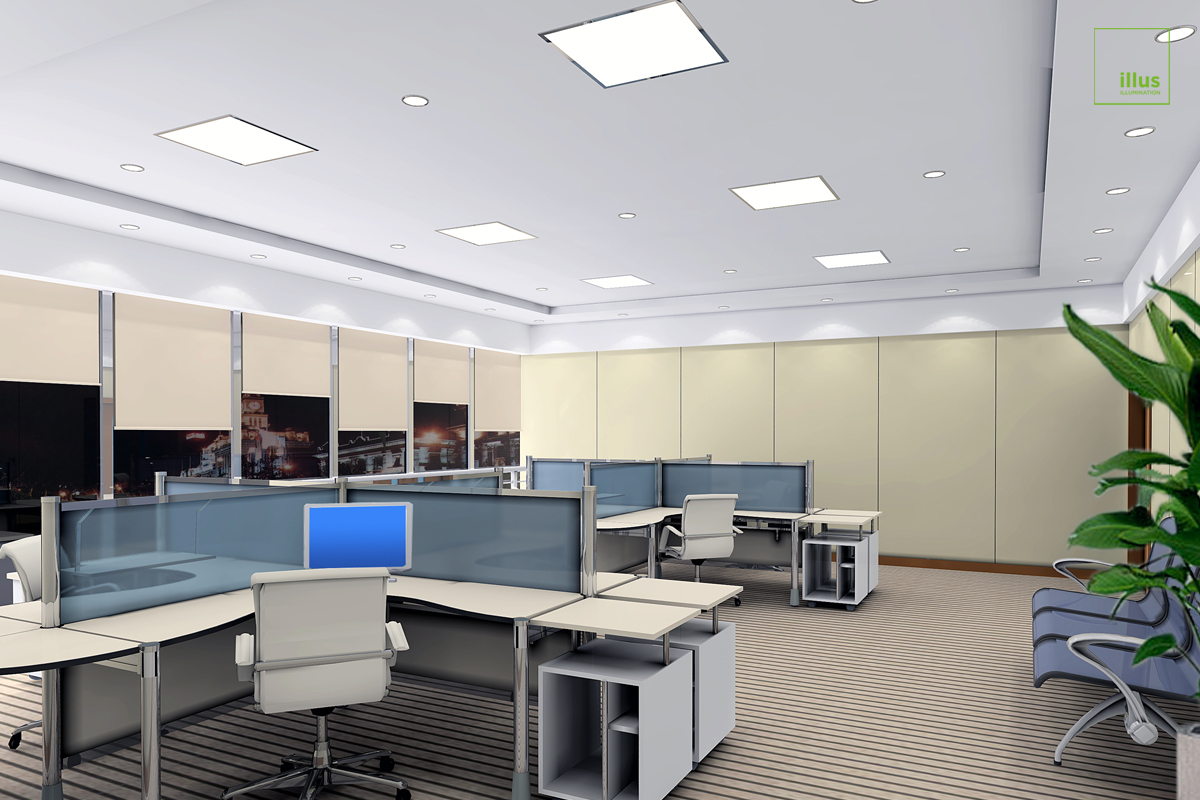
For most office retrofits in 2026, Panel Series LED Flat Luminaires combined with the Hypnotek smart control system offer the best balance of performance, comfort, and value. These high-quality LED panels deliver excellent color rendering (CRI > 92) and smooth, flicker-free illumination that enhances visual comfort in workspaces. The Hypnotek wireless controls powered by Zigbee 3.0 and Bluetooth Mesh enable fully integrated smart dimming and scene management without any new control wiring, dramatically reducing installation time and cost during retrofits. From centralized touch panels to app-based or voice-activated adjustments, this solution transforms existing offices into energy-efficient, future-ready environments.
For larger or more complex buildings, consider a KNX-based system. KNX provides robust, future-proof control that integrates easily with other building systems such as HVAC and security. The KNX Smart Touch Screen 10-inch Series offers an elegant central interface for facility managers while supporting advanced scheduling and scene control. Wireless Kinetic Switches can be added in locations where new wiring would be impractical.
Calculate Return on Investment
A realistic financial analysis should include all costs and benefits. Direct costs include luminaires, controls, installation labor, and any necessary electrical upgrades. Benefits include reduced electricity consumption, lower maintenance costs, potential utility rebates, and improved occupant productivity. Many utility companies offer significant incentives for lighting retrofits that meet certain efficiency thresholds.
Using Conservative Assumptions
Use conservative assumptions in your calculations. Assume energy prices will rise over the life of the project. Factor in realistic maintenance savings based on the longer lifespan of LED products. Include productivity gains only if you have supporting data from similar projects. A well-documented business case with conservative numbers is more convincing than an optimistic projection that fails to materialize.
Plan the Installation
Coordinate the retrofit with other building activities to minimize disruption. Many projects are completed in phases during evenings or weekends. Develop a detailed schedule that identifies which areas will be worked on each day and how temporary lighting will be provided during the transition. Communicate clearly with occupants about what to expect and how long each phase will take.
Ensure the installation team is experienced with the selected control system. KNX and wireless mesh systems require proper commissioning to function correctly. Poor commissioning is one of the most common reasons retrofits fail to deliver expected savings. Budget for thorough testing and adjustment after installation is complete.
Measure and Verify Results
After installation, measure actual performance against the targets established earlier. Compare energy consumption before and after the retrofit using utility bills or sub-metering data. Conduct occupant surveys to assess satisfaction with the new lighting. Document any issues that arise and address them promptly.
Many projects benefit from a formal measurement and verification process conducted three to six months after completion. This allows time for fine-tuning and for seasonal variations to be observed. The final report should quantify actual energy savings, maintenance cost reductions, and any productivity improvements. This documentation is valuable for future projects and for demonstrating the value of the investment to stakeholders.
Common Mistakes to Avoid
One frequent mistake is selecting products based solely on lowest purchase price. Cheaper luminaires often have lower efficacy, poorer color rendering, and shorter lifespans, which increase long-term costs. Another common error is underestimating the importance of controls. Without proper controls, even the most efficient luminaires will waste energy when spaces are unoccupied or when daylight is available.
Avoid overly complex control strategies that are difficult for facility staff to understand and maintain. Start with straightforward scheduling and occupancy sensing, then add more advanced features once the basic system is working reliably. Also ensure that the new lighting meets or exceeds the light levels required by local codes and standards. Insufficient lighting can lead to complaints and reduced productivity.
Long-term Value
A successful office lighting retrofit delivers benefits for fifteen years or more. Reduced energy consumption lowers operating costs every month. Improved lighting quality supports employee well-being and productivity. Lower maintenance requirements free up facility staff for other priorities. When planned and executed carefully, a lighting retrofit is one of the highest-return investments available to commercial building owners.
If you are planning an office lighting retrofit in 2026, start with a professional audit and clear performance goals. Choose high-quality LED luminaires with integrated controls from established manufacturers. Work with experienced contractors who understand both the technical and practical aspects of commercial installation. Measure results after completion and use the data to inform future projects. Illuslighting provides smart lighting solutions and compatible wireless controls that help commercial projects achieve reliable, scalable, and energy-efficient illumination.