.png)
.png)


.png)


A Complete Guide to Designing Smart Home Automations and Scenes in 2026
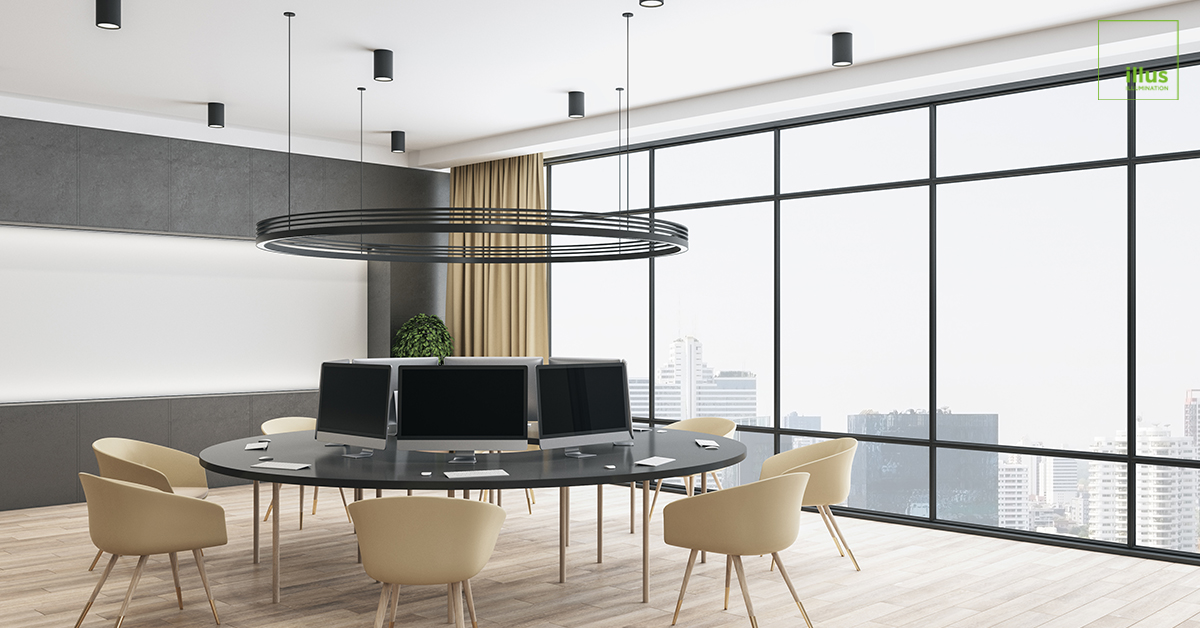
The true hallmark of a highly advanced space in 2026 is not how many touchscreens are on the wall, but how rarely you actually need to use them. The future of modern architecture lies in proactive environments where manual control is replaced by intelligent automation and "Logic Output."
For property developers, interior designers, and homeowners, transitioning from basic remote control to deep scene automation can significantly elevate spatial efficiency and user experience. By partnering with an experienced smart lighting manufacturer, integrating various environmental sensors, and utilizing linked devices, you can create a space that anticipates needs. This guide explores how to design effective smart home automations and scenes using robust commercial IoT lighting solutions.
Understanding the Concept of "Scene Linkage"
To design effective automations, one must first understand the concept of "Scene Linkage". In the past, smart devices were often siloed—adjusting the lights had no bearing on the room's temperature or window treatments.
Today, the industry standard is Integrated Lighting & Smart Solutions. This approach means moving beyond the simple "on and off" functionality of a light bulb. Scene linkage involves the synchronized operation of multiple subsystems—such as smart lighting, HVAC (Heating, Ventilation, and Air Conditioning), motorized curtains, and security—through a centralized platform. Guided by the philosophy that "One app solves everything," an integrated system allows a single trigger to initiate a complex cascade of environmental adjustments, creating a seamless lifestyle.
Key Automation Scenes for Modern Spaces
Designing practical scenes requires mapping out the daily routines of the occupants. Using the Hypnotek smart ecosystem by illus lighting as a framework, here are three highly effective automation modes that demonstrate the depth of a unified system.
The "Welcome/Coming Home" Mode
The entrance is the first touchpoint of any property. A properly designed "Welcome Mode" transforms arrival into an experience.
The Trigger: The sequence begins when the Smart Door Lock is unlocked via fingerprint or passcode.
The Linkage: Instantly, the system sends a logic output to the central gateway. The corridor's smart lighting gradually brightens to a welcoming level, avoiding sudden glare. Simultaneously, the smart curtains automatically open to reveal the view, and the HVAC system adjusts to a comfortable pre-set temperature. This entire sequence happens automatically, ensuring a hospitable environment the moment the door opens.
The "Focus/Working" Mode
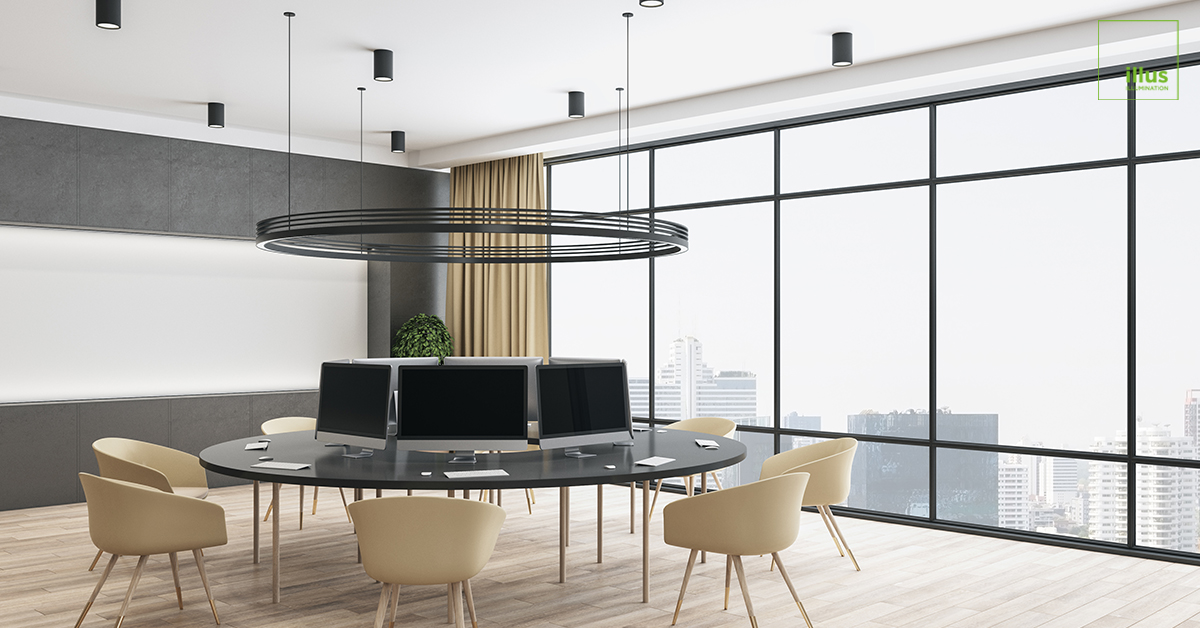
Whether in an executive office or a home study, the environment directly impacts productivity.
The Trigger: Activated via a dedicated button on a Smart Touch Panel or a voice command.
The Linkage: Utilizing advanced smart dimming technology, the system adjusts the color temperature of the room to a crisp, cool 6500K white light, which is known to help improve concentration and alertness. Concurrently, the background music host is paused or turned off, and sheer blinds may lower to reduce screen glare, creating an optimal workspace.
The "Relaxation" Mode
After a long day, the space should actively help occupants unwind.
The Trigger: Can be scheduled by a timer in the evening or triggered manually.
The Linkage: The lighting transitions into a warm, soothing 2700K color temperature. To enhance the sensory experience, the system activates the Smart Aroma Diffuser, releasing a calming scent into the room. This synergy of warm light and fragrance showcases how deeply integrated environmental appliances can elevate daily living.
The Role of Sensors in Automation
While manual triggers and timers are useful, true automation relies on sensors. They act as the "eyes and ears" of the smart ecosystem, allowing the space to react dynamically to changes without any human intervention.
Essential Sensors and Their Logic Outputs
|
Sensor Type |
Primary Function |
Automation Scenario (Logic Output) |
|
Microwave Presence Sensor |
Detects micro-movements and human presence with high accuracy. |
Energy Saving: If no presence is detected for 15 minutes, it automatically turns off lights and sets the HVAC to eco-mode. |
|
Air Quality Detector |
Monitors indoor air pollutants, CO2 levels, and humidity. |
Health Management: If air quality drops below a certain threshold, it automatically triggers the Fresh Air System or Smart Air Purifier. |
|
Water Leakage Sensor |
Detects moisture on floors (e.g., in bathrooms or kitchens). |
Safety Alert: Sends a push notification to the user's app and can trigger an acoustic alarm or shut-off valve. |
By strategically placing these sensors, the system continuously optimizes energy consumption and maintains a healthy indoor environment, which is highly valued in smart building automation projects.
Conclusion
Designing smart home automations and scenes is about shifting the focus from the technology itself to the human experience within the space. By embracing the concept of Integrated Lighting & Smart Solutions, and effectively deploying sensors alongside devices like smart door locks and aroma diffusers, you can craft environments that are highly efficient, personalized, and effortless.
Whether you are outfitting a luxury villa or a modern hotel suite, the underlying architecture dictates the success of these automations. Consult with a professional smart lighting supplier like illus lighting to explore how the Hypnotek ecosystem can be tailored to fit your specific spatial routines, ensuring your smart space works for you.
Frequently Asked Questions
Q1: What is the difference between a schedule and a scene linkage?
A: A schedule operates purely on a timer (e.g., lights turn on at 6:00 PM). A scene linkage involves multiple devices reacting together based on a specific trigger, which could be a button press, a sensor detecting motion, or a smart door lock opening.
Q2: Do I need multiple apps to set up these automations?
A: No. Advanced ecosystems like Hypnotek operate on the "One app solves everything" principle. You can configure the lighting, HVAC, air purifiers, and sensors all within a single unified platform.
Q3: How does a Microwave Presence Sensor differ from a standard motion sensor?
A: Standard infrared (PIR) motion sensors often fail to detect people who are sitting completely still (like reading or watching TV). Microwave presence sensors use advanced radar technology to detect even the slightest micro-movements, such as breathing, ensuring the lights don't turn off while you are still in the room.
Q4: Can color temperature really affect productivity?
A: Yes. Studies suggest that cooler, blue-enriched light (around 6500K) helps suppress melatonin and increases alertness, making it suitable for a "Focus Mode." Conversely, warmer light (around 2700K) promotes relaxation. Hypnotek's smart dimming allows seamless adjustment between these ranges.