.png)
.png)


.png)


Achieving Whole-Home Automation with Smart Bulbs and Switches
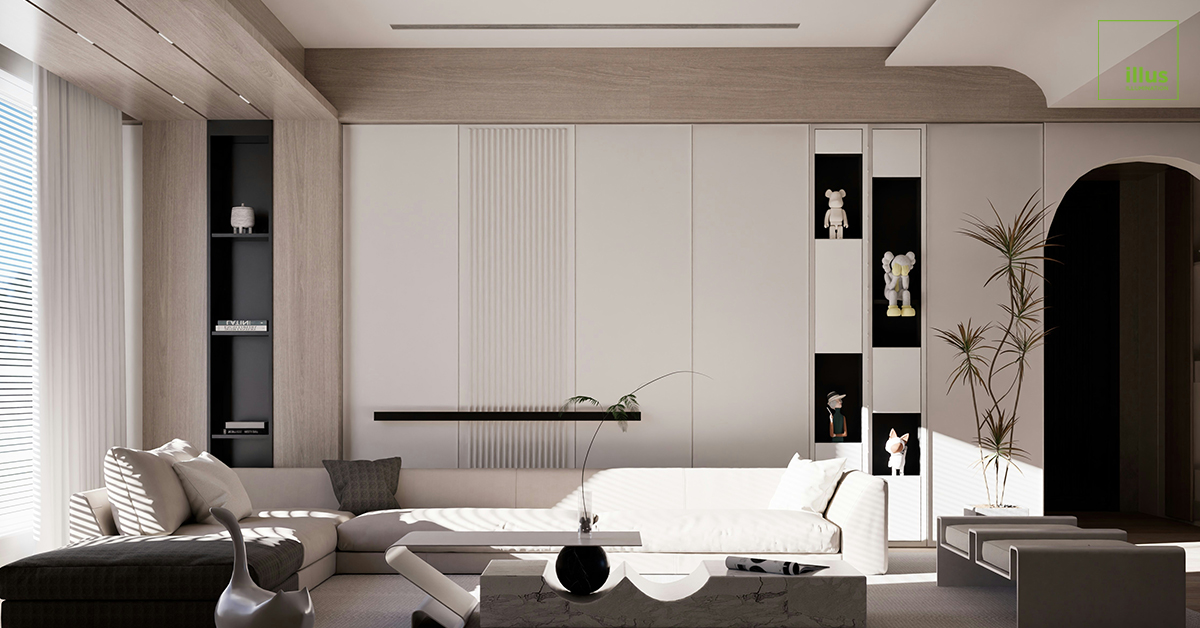
Traditional lighting systems often fall short in modern homes. Fixed switches, limited scenes, and manual adjustments create frustration for homeowners who expect seamless, responsive environments. Whole-home automation changes this by allowing every light in the house to work together intelligently. Smart bulbs and wireless switches form the foundation of this transformation, offering flexibility, energy savings, and personalized experiences that static lighting cannot match.
Why Traditional Lighting Falls Short in Modern Homes
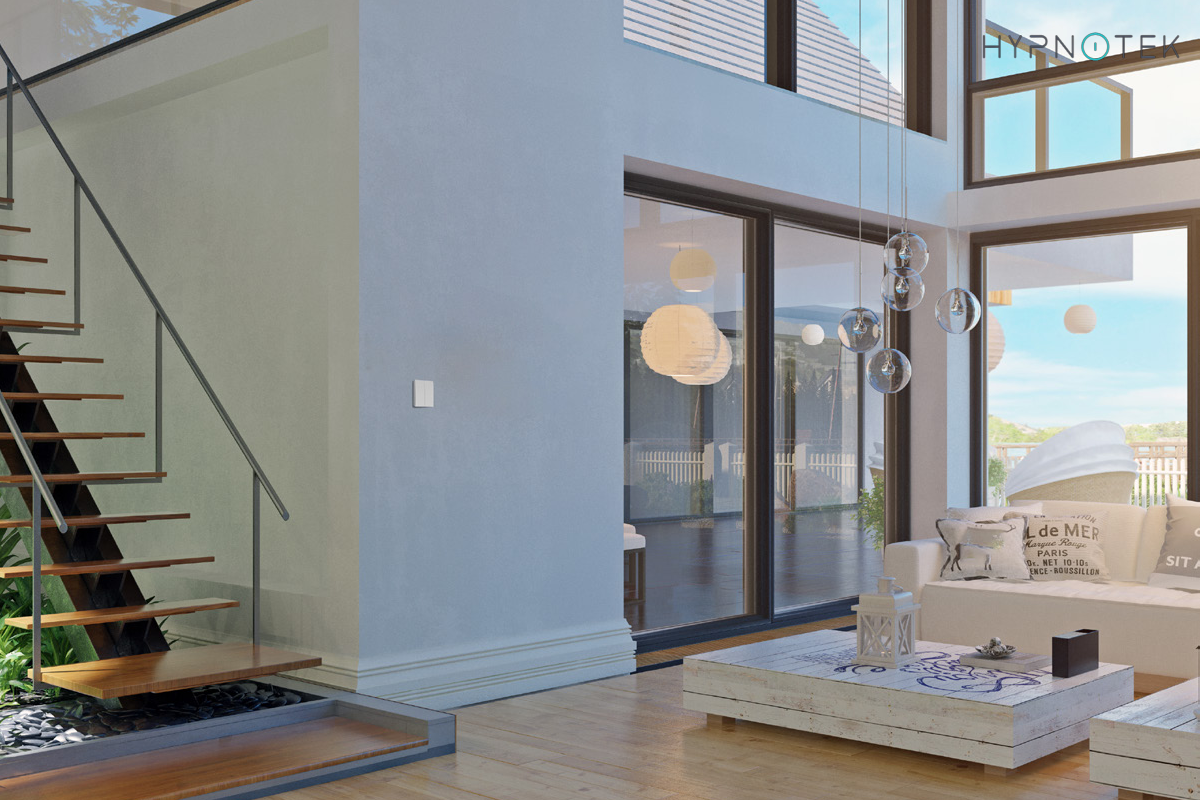
Many homes still rely on decades-old wiring and single-function switches. This creates several pain points. First, every light operates independently, forcing residents to walk from room to room adjusting brightness. Second, creating consistent ambiance requires multiple manual changes, which becomes tedious during daily routines. Third, energy waste occurs when lights remain on in unoccupied spaces because there is no automatic response to presence or schedules.
The Cost of Outdated Systems
Modern families expect more. They want lighting that adapts to their lifestyle without constant intervention. A parent arriving home with groceries should not need to fumble for switches while carrying bags. Children studying late at night should have lighting that gradually shifts to warmer tones to support healthy sleep patterns. These expectations drive the shift toward whole-home automation, where every bulb and switch becomes part of a unified, intelligent system.
The Basics of Full-Home Lighting Automation
Whole-home automation begins with understanding that every light source can be controlled individually yet coordinated centrally. Smart bulbs replace traditional ones and connect wirelessly to a central hub or directly to the home network. Wireless switches eliminate the need for new wiring and can be placed anywhere, including on glass surfaces or temporary walls. Together, these components create a responsive network that reacts to occupancy, time of day, and user-defined scenes.
The system works through three layers. The first layer is the physical hardware: smart bulbs, wireless switches, and sensors. The second layer is the communication protocol that allows these devices to talk to each other. The third layer is the software intelligence that interprets user preferences and environmental data to make automatic decisions. When all three layers function together, the result is lighting that feels almost invisible because it anticipates needs before they are consciously recognized.
Selecting the Right Smart Bulbs for Different Rooms
Not every room has the same lighting requirements. Living rooms benefit from tunable white bulbs that shift from bright, cool light during the day to warm, relaxing tones in the evening. Kitchens need high-CRI bulbs that render food colors accurately and provide strong task illumination over countertops. Bedrooms perform best with bulbs that support gradual dimming and warm color temperatures that promote melatonin production. Bathrooms require bright, neutral light for grooming tasks but can also include softer settings for relaxation during baths.
Recommended Bulb Types by Room
Color temperature and brightness range matter more than many homeowners initially realize. A bulb that only offers fixed cool white light will feel harsh in a bedroom at night. A bulb with limited dimming range will never achieve the intimate atmosphere desired for movie nights. Choosing bulbs with wide temperature ranges (2700K to 6500K) and smooth dimming from 1% to 100% provides the flexibility needed for true whole-home automation.
Wireless Switching Solutions That Simplify Installation
One of the biggest barriers to whole-home automation is the cost and disruption of new wiring. Wireless switches solve this problem completely. The Kinetic Switch generates its own power from the simple mechanical action of pressing the button. No batteries are required, and no electrician needs to run new wires through walls. This makes it possible to add control points in locations that would have been impractical or expensive with traditional wiring.
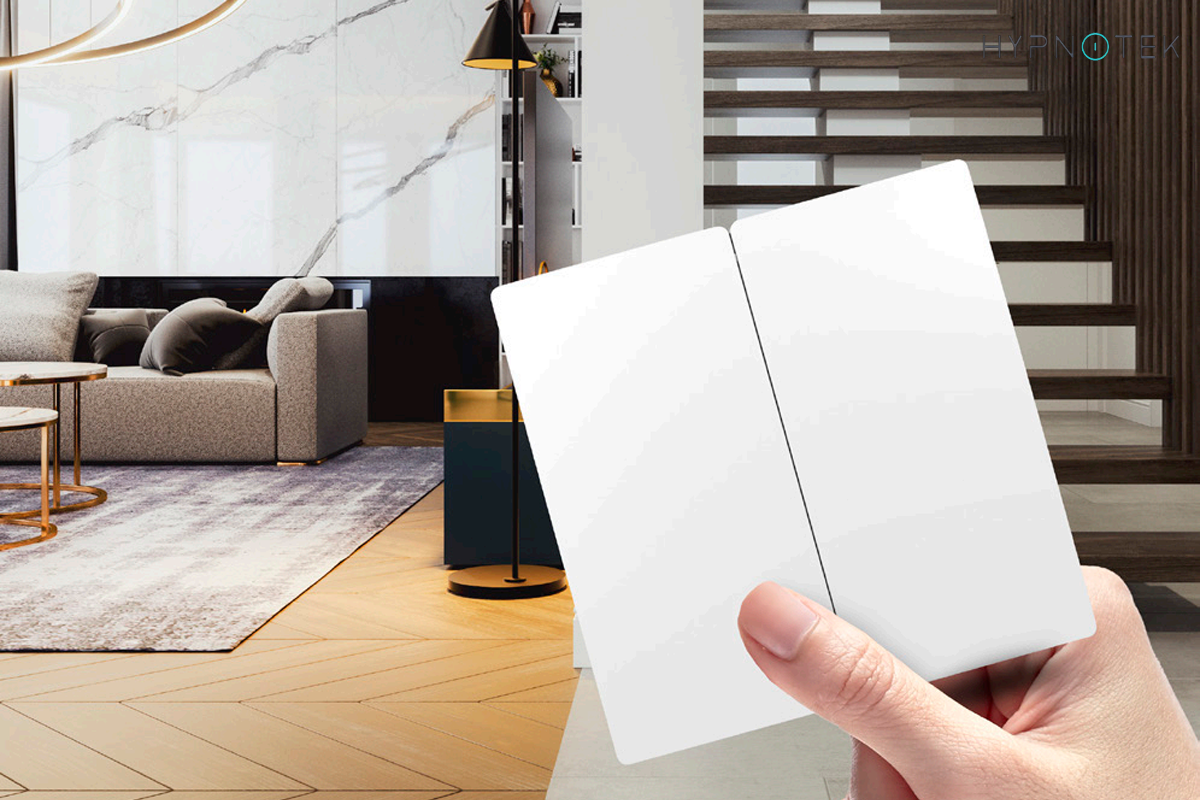
Placement flexibility changes how homeowners think about lighting control. A switch can be installed on a glass wall, inside a cabinet, or even on a piece of furniture. Temporary installations become permanent solutions when families rearrange rooms. Renters can take their switches with them when they move. This level of adaptability was impossible with hardwired systems and represents one of the most significant advances in residential lighting design in recent years.
Creating Personalized Scenes for Everyday Living
Scenes transform lighting from a utility into an experience. A Morning Routine scene might gradually increase brightness and shift to cooler temperatures over twenty minutes, helping residents wake naturally. A Movie Night scene dims all lights to twenty percent, turns off any lights visible from the television, and activates subtle accent lighting behind the screen. A Guest Arrival scene brightens entryways and living areas while keeping bedrooms and private spaces dimmed.
The key to successful scenes is thoughtful programming rather than random adjustments. Each scene should serve a specific purpose and be accessible through multiple interfaces. Wall switches, voice commands, mobile apps, and even geofencing (automatic activation when a phone enters or leaves the property) should all trigger the same consistent lighting behavior. When scenes work reliably across all these methods, the home begins to feel genuinely intelligent rather than merely automated.
Integration with Other Smart Home Devices
Lighting becomes even more powerful when it communicates with other smart home systems. Motion sensors in hallways can trigger path lighting automatically at night. Door sensors can activate entryway lights when someone enters. Integration with voice assistants allows hands-free control while cooking or carrying items. Security system arming can trigger Away scenes that turn off all lights except for a few strategically placed security lights.
The most sophisticated installations connect lighting to broader home intelligence platforms. When the home detects that residents are sleeping, it can automatically lock doors, adjust thermostats, and ensure all lights are off except for subtle night lights in bathrooms. When an alarm is triggered, lights throughout the house can flash or turn on fully to deter intruders and guide emergency responders. These integrations turn lighting from an isolated system into a core component of comprehensive home intelligence.
Installation Tips and Common Pitfalls to Avoid
Successful whole-home automation projects follow several practical principles. Start with high-traffic areas rather than trying to automate every light at once. Test each new device thoroughly before adding more components. Document the network name, passwords, and device locations so future troubleshooting is easier. Choose products from manufacturers with strong long-term support and regular firmware updates.
Common pitfalls include overcrowding the network with too many devices, placing hubs in locations with poor signal strength, and creating scenes that are too complex to maintain. The most successful installations begin conservatively, prove their value in daily use, and expand gradually. This measured approach prevents the frustration that comes from over-automating before understanding how the family actually uses their spaces.
Measuring the Return on Your Automation Investment
The financial case for whole-home automation includes both direct energy savings and less tangible benefits. Energy reduction of twenty to thirty percent is common when lighting responds automatically to occupancy and daylight. The convenience of arriving home to a well-lit house or having lights turn off automatically when leaving represents quality-of-life improvements that many families value highly. Property value increases are also documented, as smart home features become expected amenities in the luxury residential market.
Whole-home automation represents one of the most meaningful upgrades available to modern homeowners. By combining smart bulbs with flexible wireless switches like the Kinetic Switch, families can create lighting that truly serves their lifestyle rather than requiring constant manual adjustment. Illuslighting provides wireless switching solutions and compatible smart bulbs that make whole-home automation practical and affordable. The investment pays dividends in daily convenience, energy efficiency, and long-term property value.